Adıyaman and its surrounding region have been inhabited since the earliest periods of human history. Located at the crossroads of Anatolia and Mesopotamia, the area developed under the influence of numerous cultures, kingdoms and civilisations.
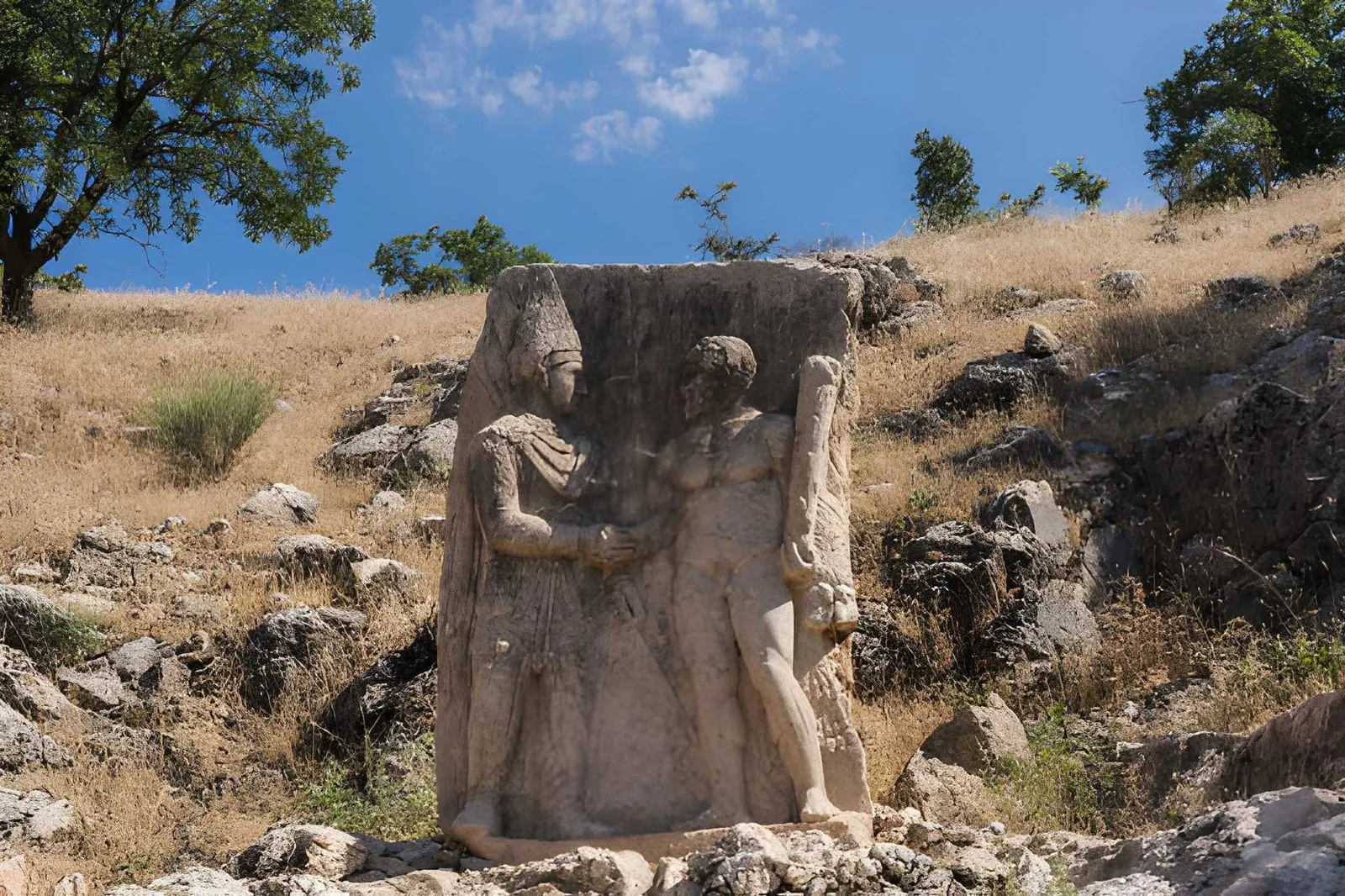
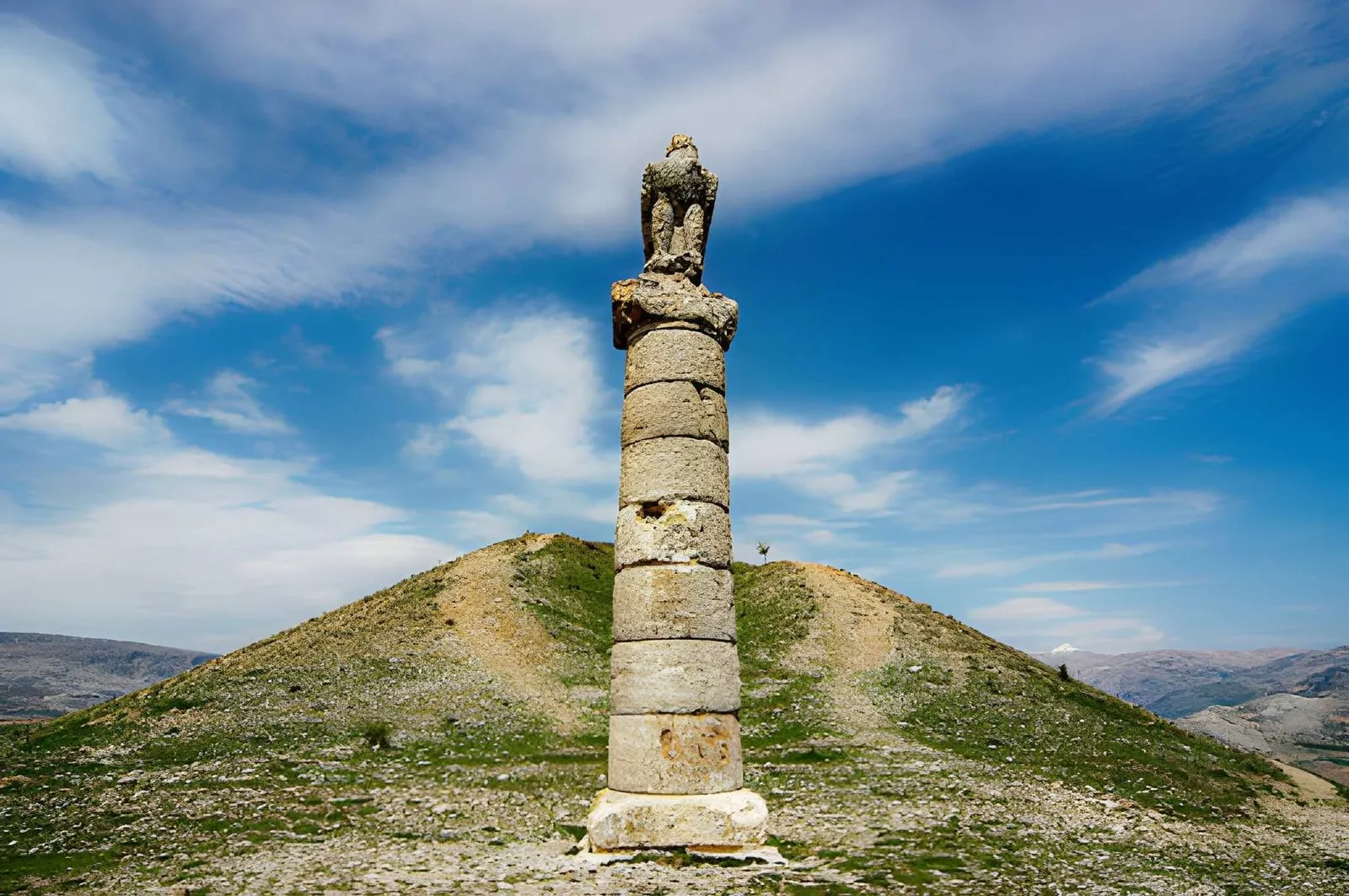
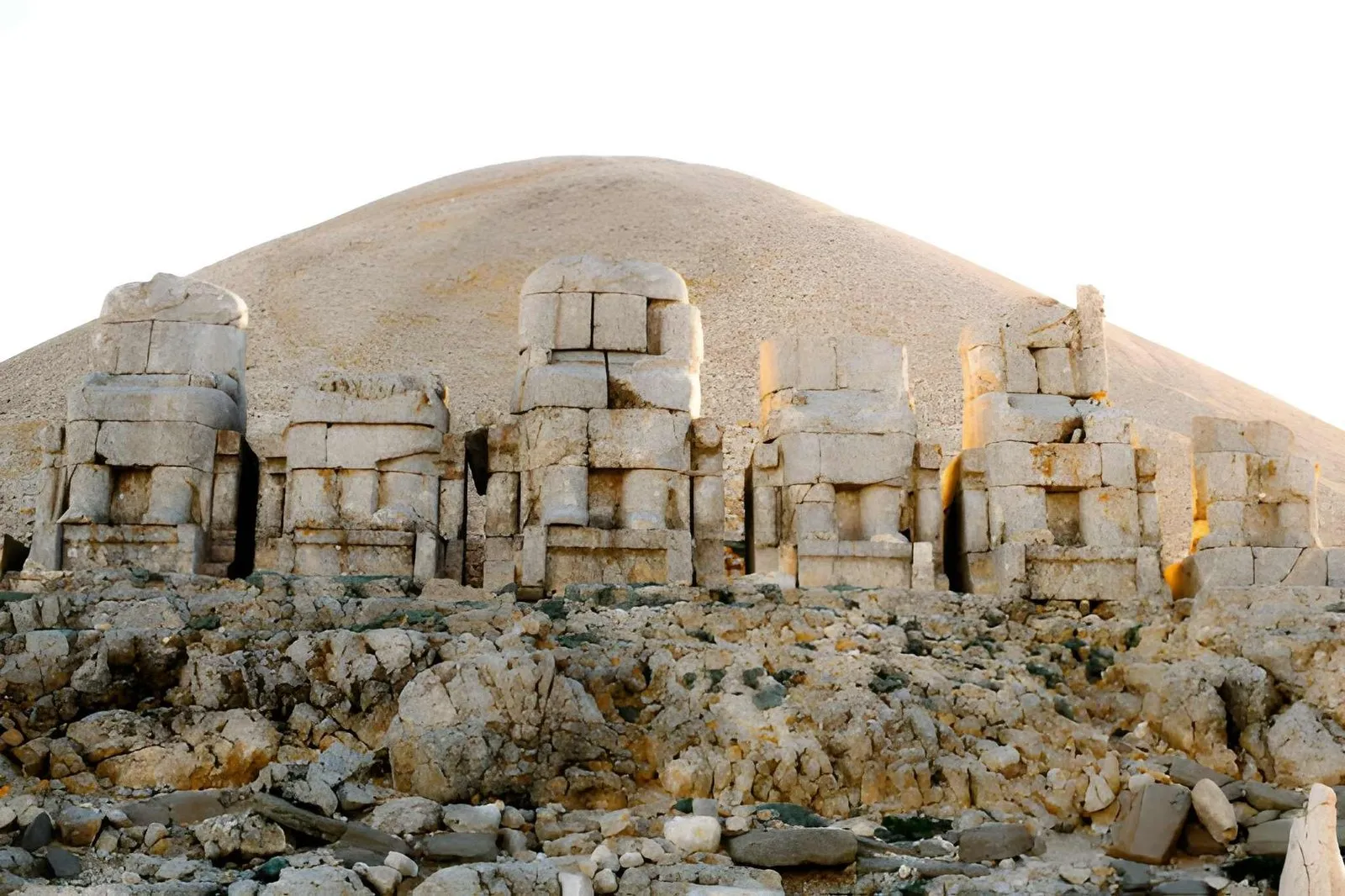
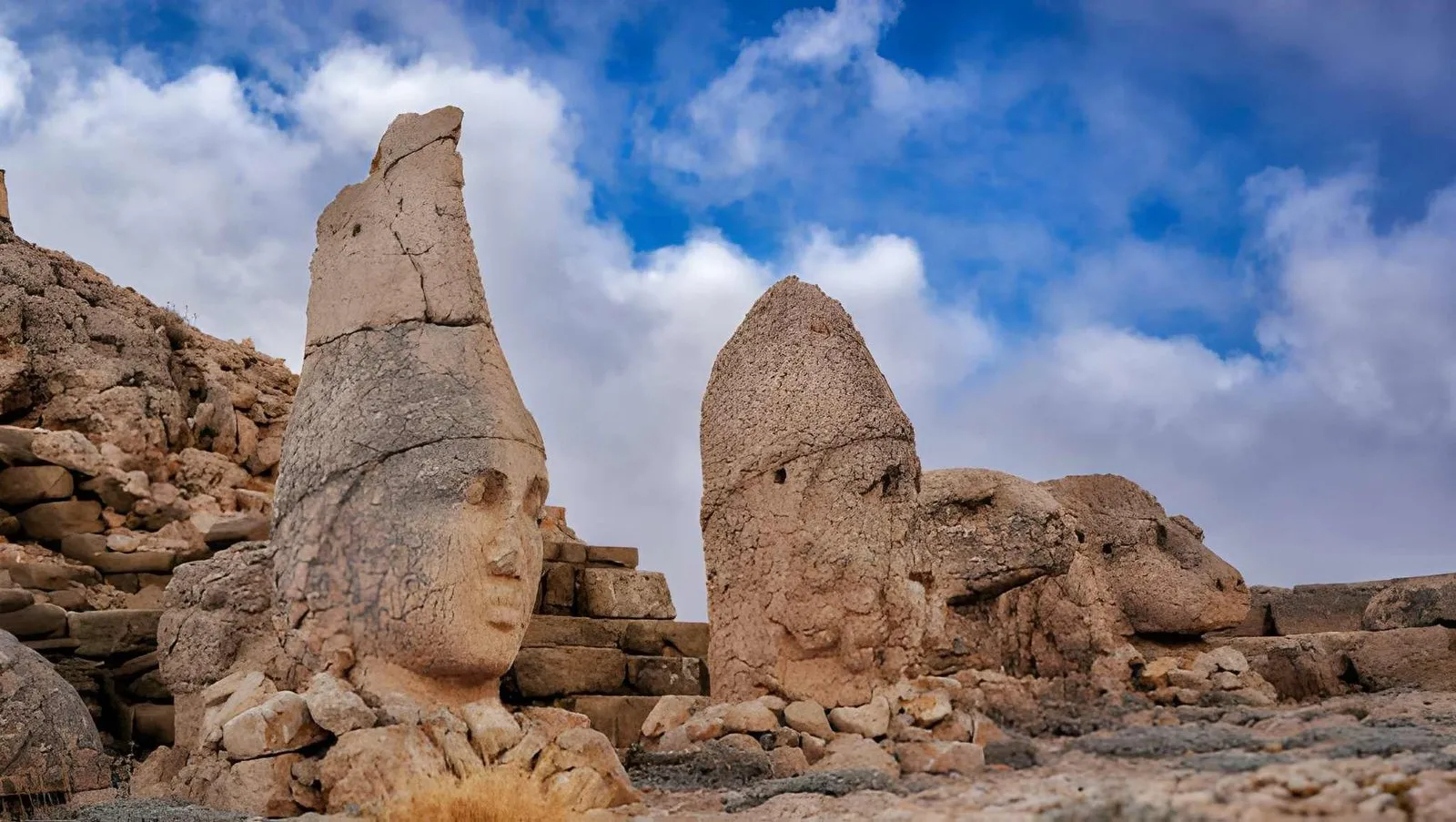
The most prominent chapter in Adıyaman’s ancient history is associated with the Kingdom of Commagene. This remarkable kingdom brought together elements of Eastern and Western cultures, creating a distinctive political, religious and artistic identity. Its most iconic legacy is the monumental sanctuary on Mount Nemrut, renowned for its colossal statues, royal tomb complex and extraordinary landscape.
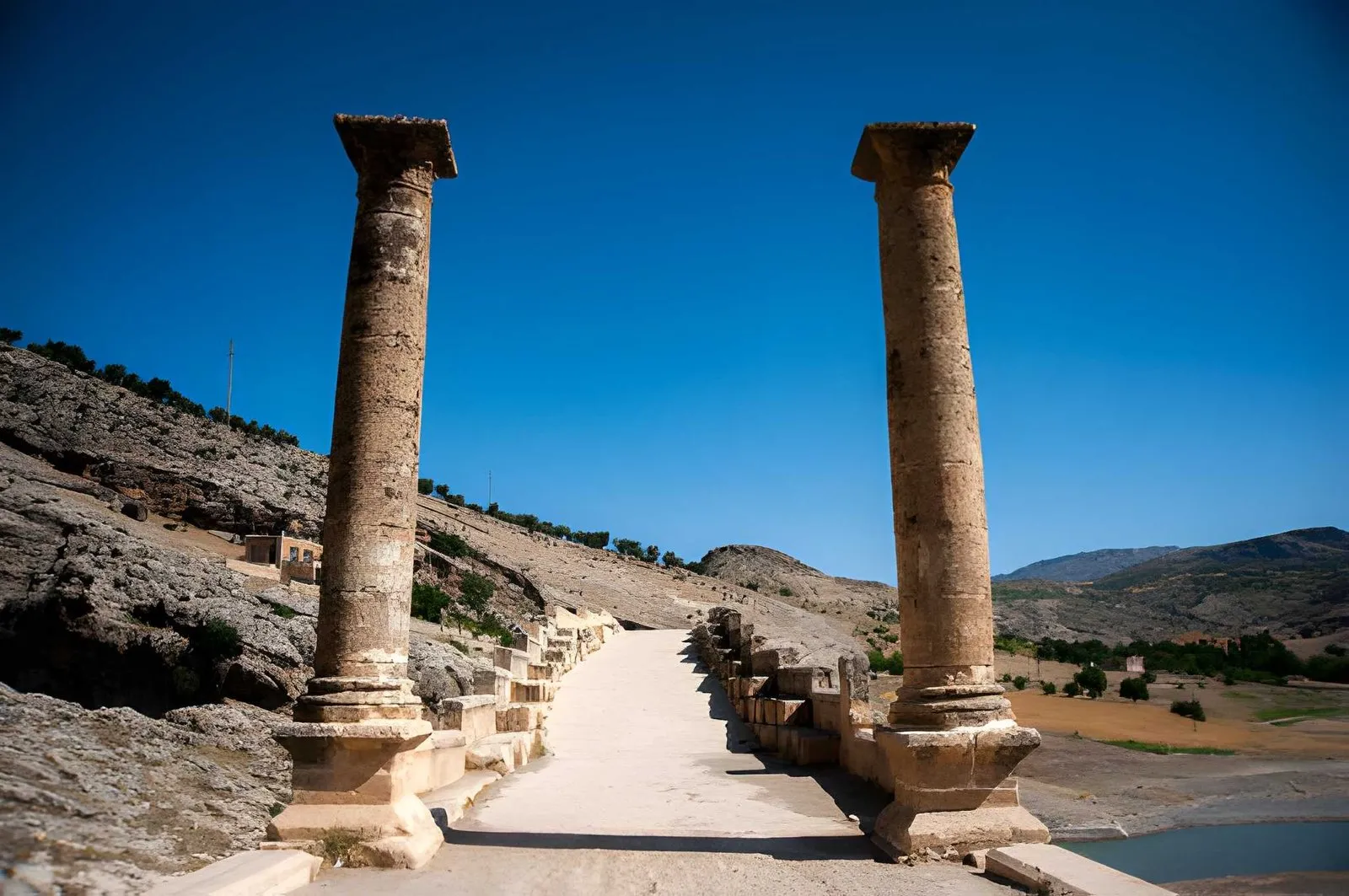
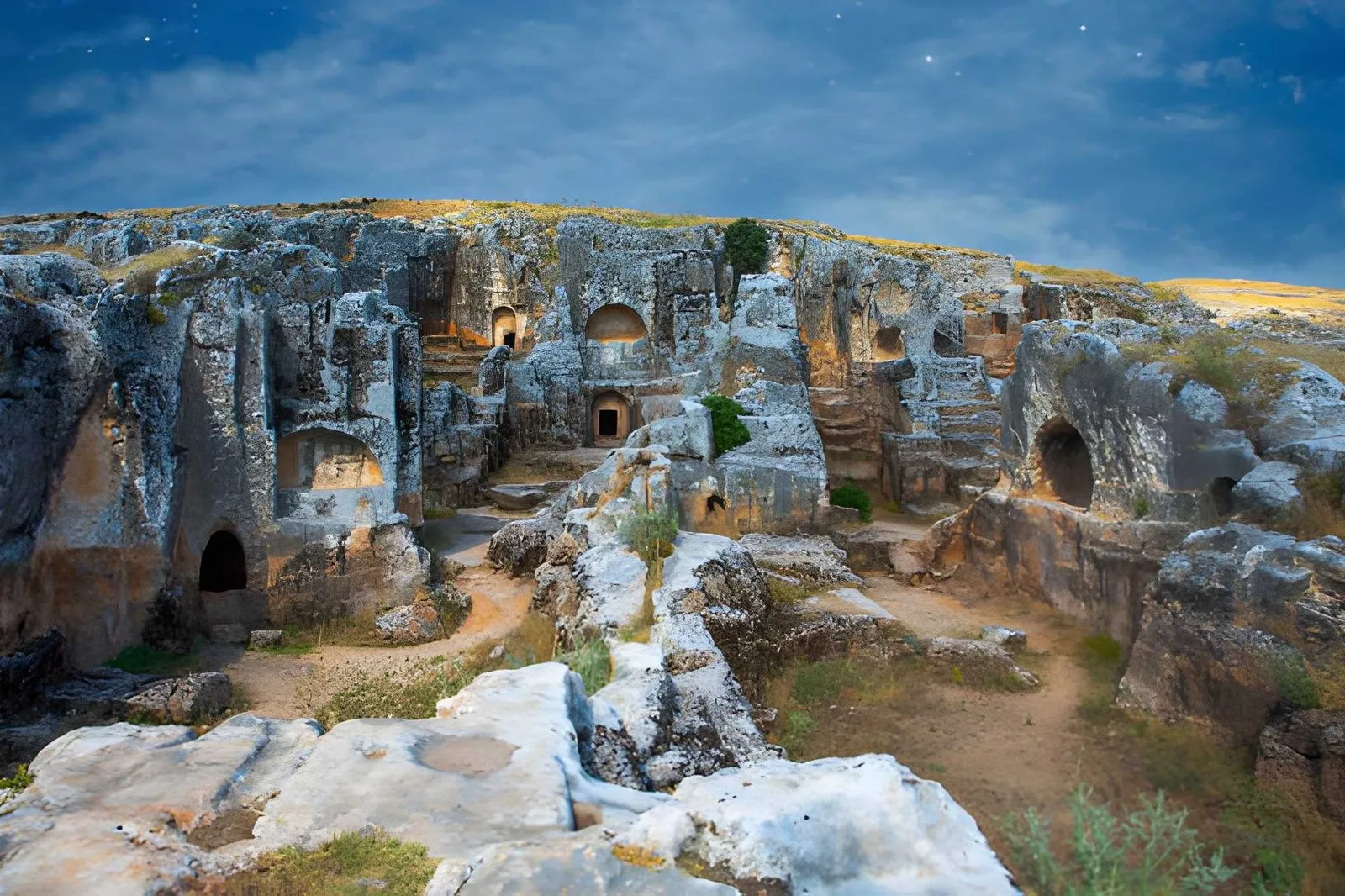
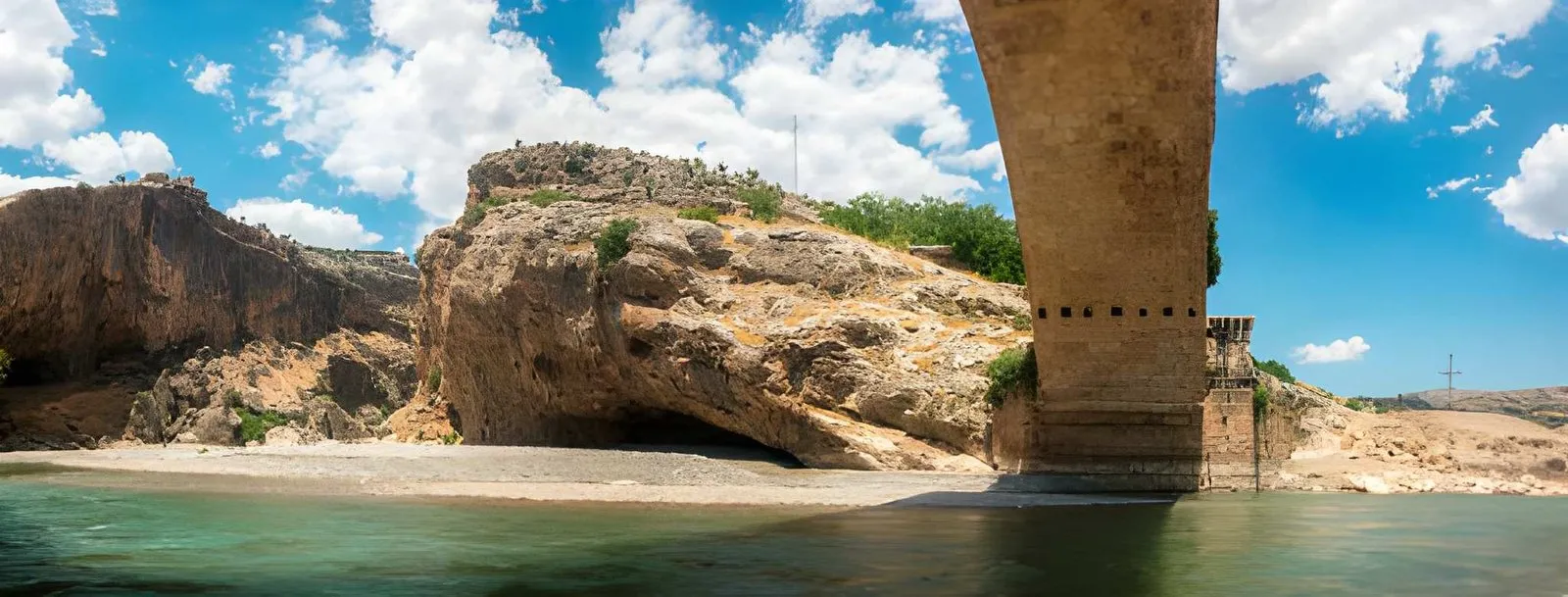
Following the Commagene period, the region came under Roman and later Byzantine rule. Ancient roads, bridges, settlements, rock-cut tombs and archaeological sites reflect the strategic importance of Adıyaman during these eras. The ancient city of Perre, with its rock-cut burial chambers, water systems and remains of urban life, stands as one of the most important witnesses to this historical continuity.
Ancient Times
The history of settlement in Adıyaman reaches back to prehistoric times. The region’s fertile lands, water resources and strategic position made it a favourable environment for early communities.
The Kingdom of Commagene represents the most celebrated period of Adıyaman’s ancient history. Established in the Hellenistic era, the kingdom combined Persian, Anatolian and Greek traditions. Its rulers presented themselves as heirs to both Eastern and Western civilisations.
Mount Nemrut became the spiritual and symbolic centre of this kingdom. The monumental statues of gods, royal figures, lions and eagles were created as part of a sacred funerary complex intended to express royal power, divine legitimacy and cultural unity.
The Roman and Byzantine Periods
After the decline of the Kingdom of Commagene, Adıyaman and its surroundings became part of the Roman sphere of influence. The region gained further importance through its road networks, bridges and settlements connecting Anatolia with Syria and Mesopotamia.
During the Roman and Byzantine periods, cities and military routes continued to develop. Perre emerged as an important settlement and transit point. Its rock-cut tombs, ancient roads, fountains and archaeological remains reveal a well-established urban culture.
The region also became an important area for early Christianity, with churches, monasteries and religious communities contributing to its cultural landscape.
The Medieval and Islamic Periods
With the spread of Islamic rule, Adıyaman entered a new historical phase. Over the centuries, the region came under the influence of various Muslim states and dynasties.
Seljuk and Mamluk influences played an important role in shaping the political and cultural structure of the region during the Middle Ages. Adıyaman’s location along commercial and military routes ensured its continued importance as a point of interaction between Anatolia, Syria and Mesopotamia.
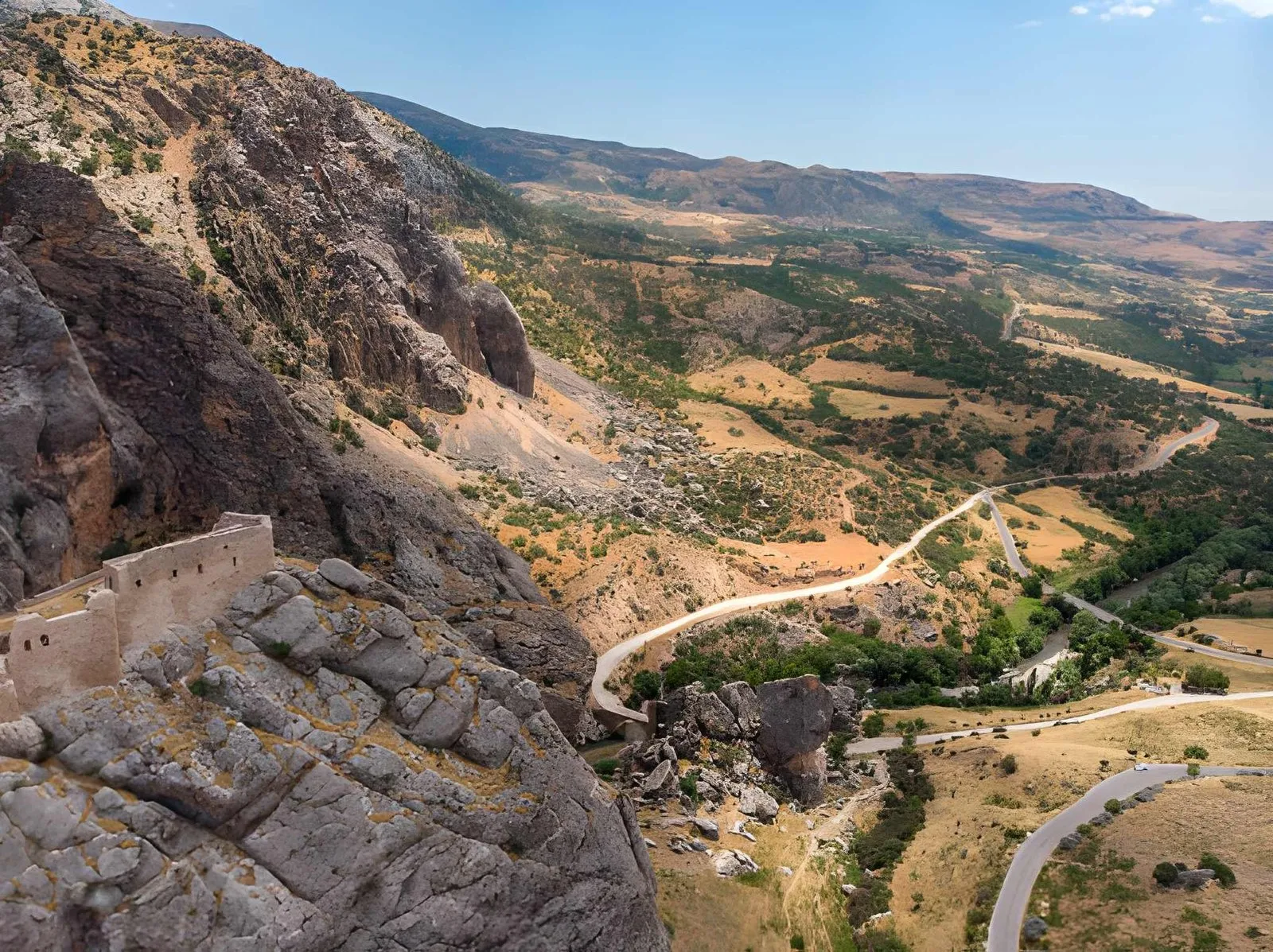
Castles, religious buildings, caravan routes and traditional settlements reflect the architectural and cultural legacy of this period.
The Ottoman Period
Adıyaman became part of the Ottoman administrative system in the early modern period. During Ottoman rule, the region developed through agriculture, animal husbandry, local trade and craftsmanship.
Its settlements were administered through different provinces and districts over time. Traditional neighbourhoods, marketplaces, mosques, inns and public buildings gradually shaped Adıyaman’s urban identity.
Although the city remained closely connected to surrounding regional centres, it continued to preserve its distinctive cultural traditions and historical character.
The Republican Era
Following the establishment of the Republic of Türkiye, Adıyaman entered a period of administrative, social and economic transformation.
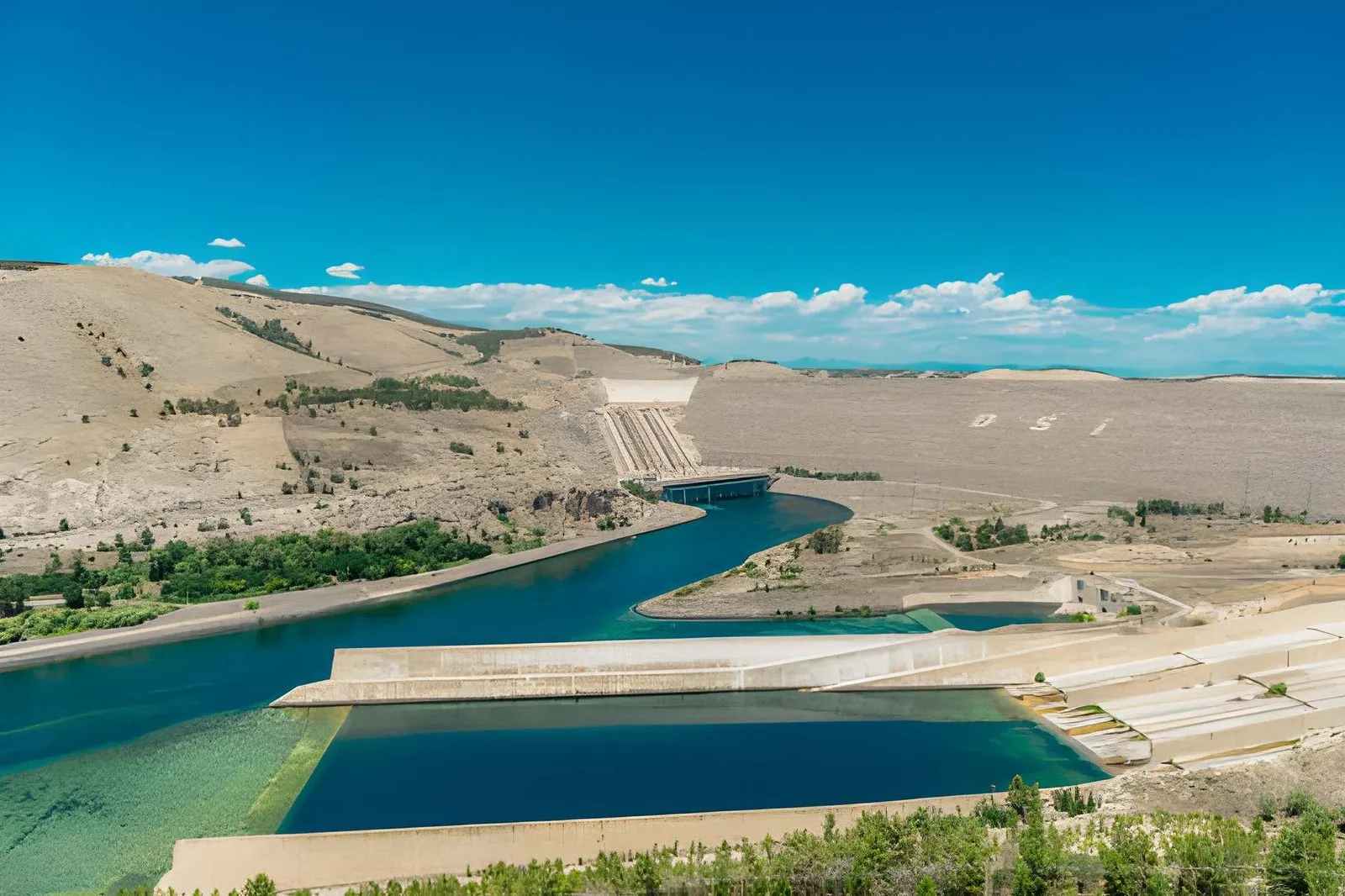
Modern infrastructure, public institutions, transportation networks and urban development contributed to the growth of the city. Adıyaman later gained provincial status, strengthening its administrative role and accelerating its transformation into a modern urban centre.
Today, Adıyaman is recognised for both its ancient heritage and its living cultural traditions. Mount Nemrut, Perre Ancient City, historic bridges, rock-cut tombs and traditional settlements reveal the many layers of its past.
From prehistoric communities and the Kingdom of Commagene to Roman roads, medieval cultures and the modern city, Adıyaman stands as a meeting point of civilisations and a living memory of thousands of years of human history.
Short Description
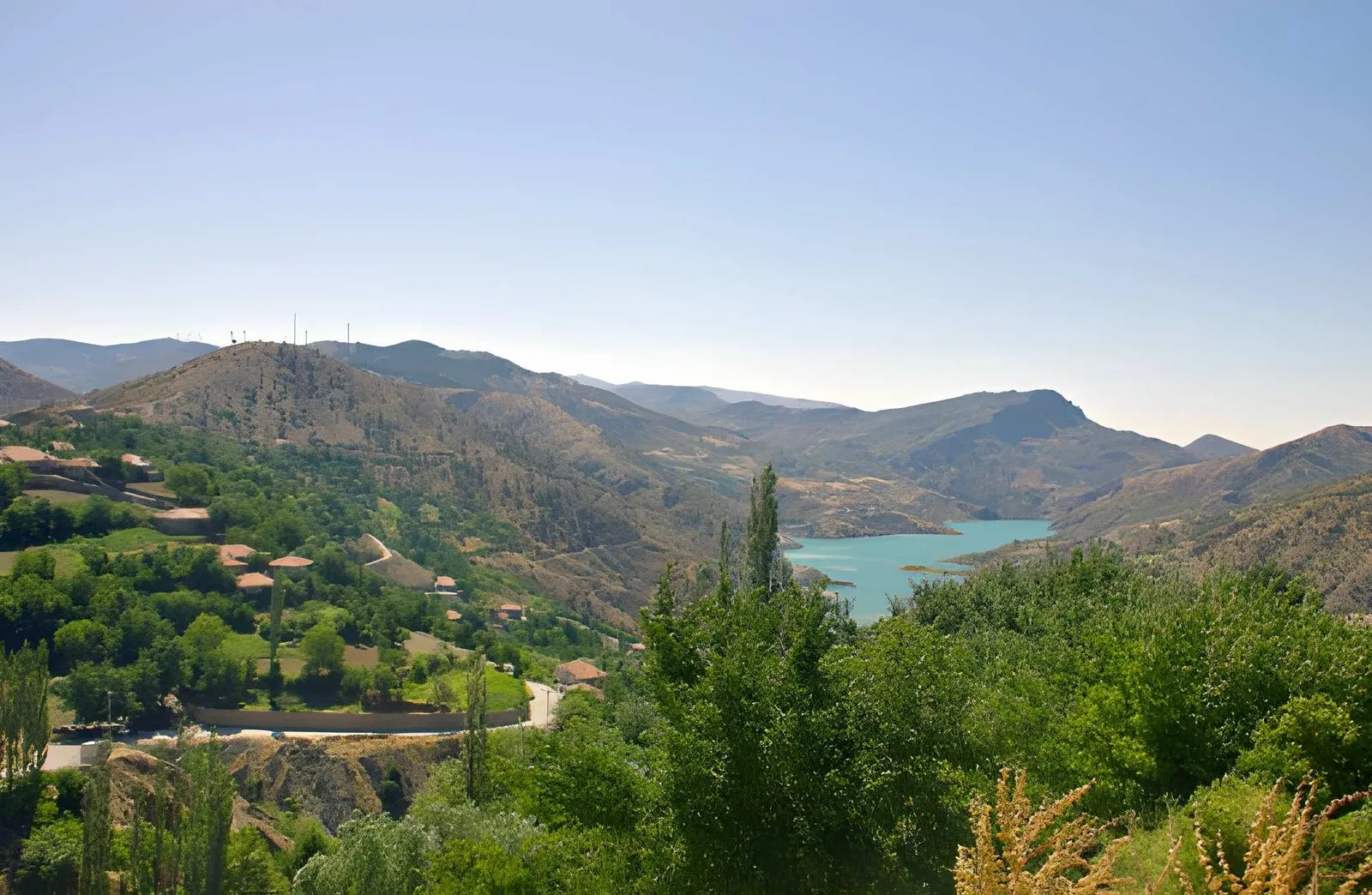
“Adıyaman is a memory descending from the summit of Mount Nemrut into the valleys below—a city where stone, faith and time come together in a single frame.”