Located in northern Mesopotamia, Mardin and its surrounding region have been inhabited since ancient times. Owing to its strategic position along important trade and military routes, the city came under the influence and rule of numerous civilisations throughout history, including the Subarians, Sumerians, Akkadians, Assyrians, Persians, Romans, Byzantines, Artukids and Ottomans.
This rich historical legacy has shaped Mardin into a unique cultural centre where different languages, religions, traditions and architectural styles have coexisted for centuries.
Ancient Times
Mardin’s location in northern Mesopotamia made the region an important settlement area from the earliest periods of history. Over the centuries, it became part of the territories controlled by several major civilisations, including the Subarians, Sumerians, Akkadians, Assyrians, Persians, Romans and Byzantines.
The region’s fertile lands, natural defensive advantages and proximity to major trade routes contributed to its strategic importance. The ancient city of Dara, located near Mardin, became one of the most significant military, administrative and commercial centres of the Roman and Byzantine periods.
With its monumental structures, rock-cut cisterns, fortifications and underground water systems, Dara remains one of the most remarkable archaeological sites reflecting the historical importance of the region.
The Islamic Period
With the expansion of Islamic rule into the region, Mardin entered a new historical and cultural era. The city gradually became an important centre where Islamic civilisation interacted with the region’s existing cultural and architectural heritage.
Mardin experienced considerable development during the Artukid period, particularly from the 12th century onwards. The Artukids transformed the city into a prominent centre of administration, science, education, trade and architecture.
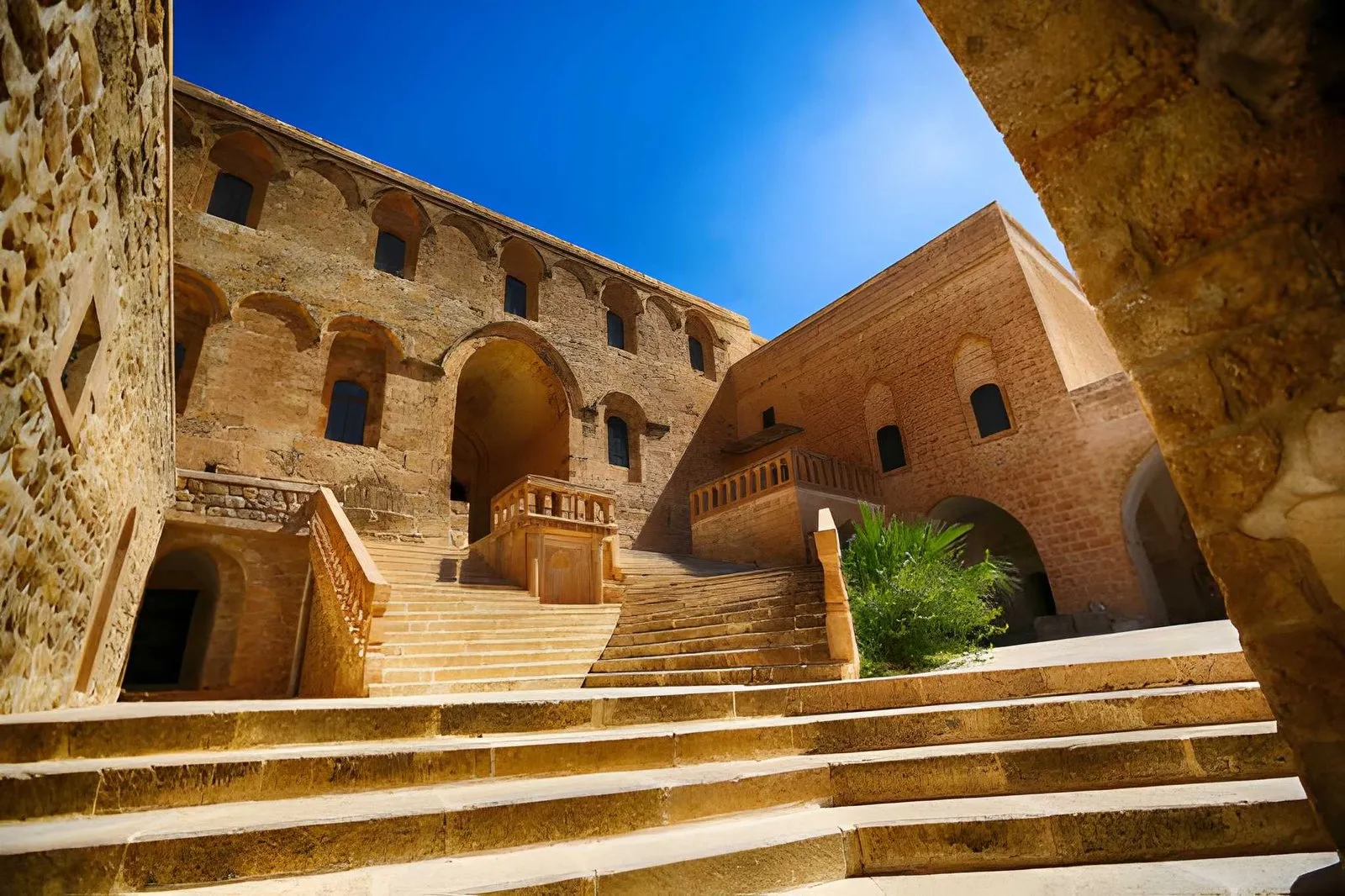
Many of Mardin’s most important historical monuments were constructed or developed during this period. The Great Mosque of Mardin, together with numerous madrasas, mosques, caravanserais and public buildings, became a lasting symbol of the city’s architectural identity.
During this era, Mardin strengthened its position as a meeting point for scholars, merchants, craftsmen and travellers from different regions.
The Ottoman Period
Mardin became part of the Ottoman Empire in the early 16th century and remained an important administrative and commercial centre for several centuries.
Throughout the Ottoman period, the city continued to preserve its multicultural and cosmopolitan character. Muslims, Christians and members of different ethnic and religious communities lived side by side, contributing to Mardin’s social, cultural and economic life.
Mosques, churches, monasteries, madrasas, traditional houses and commercial buildings continued to shape the city’s distinctive urban landscape. Mardin also maintained its importance as a centre of regional trade, craftsmanship and cultural exchange.
The Republican Era
Following the establishment of the Republic of Türkiye, Mardin retained its provincial status and continued to serve as one of the most important administrative and cultural centres of southeastern Türkiye.
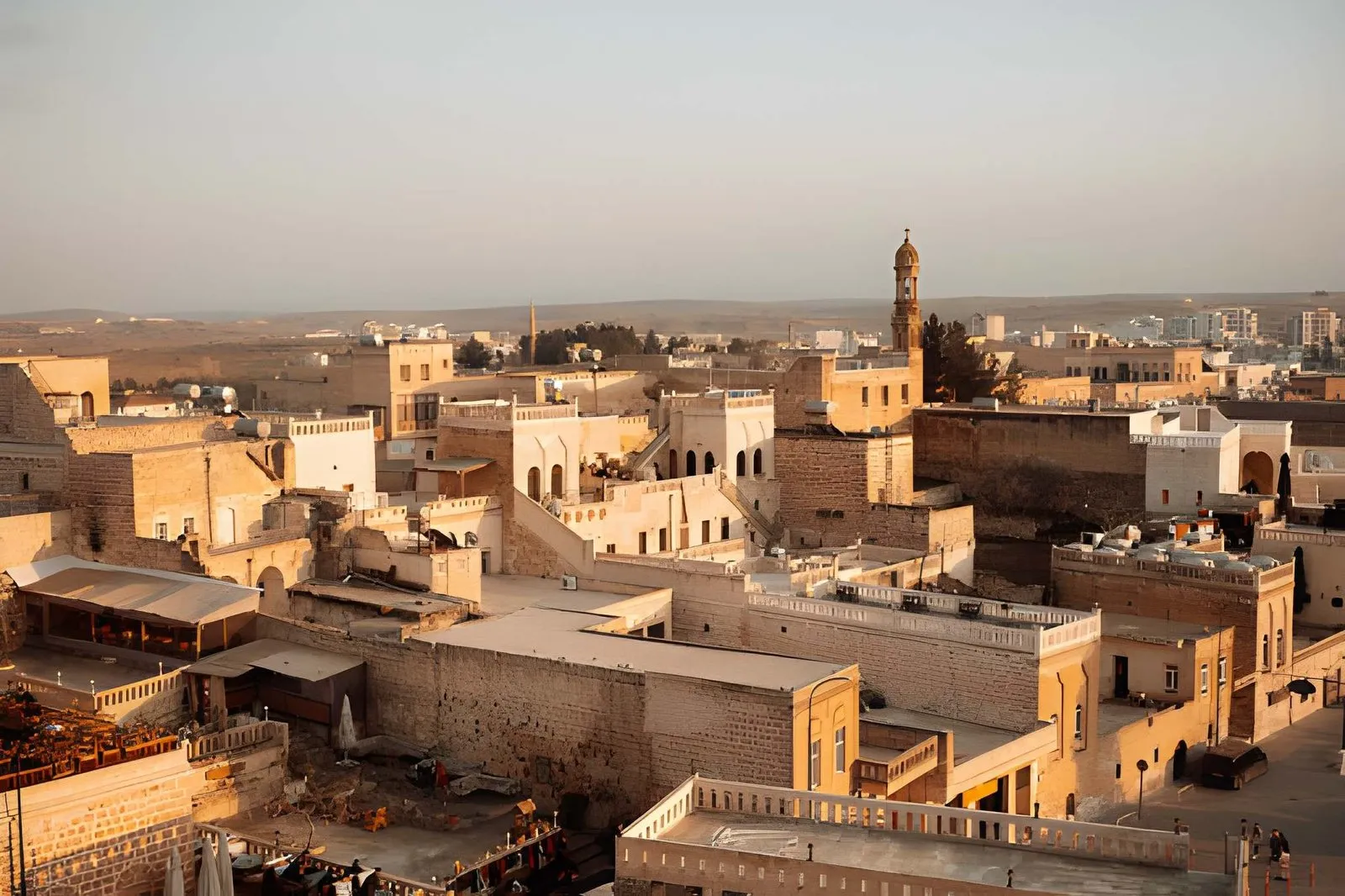
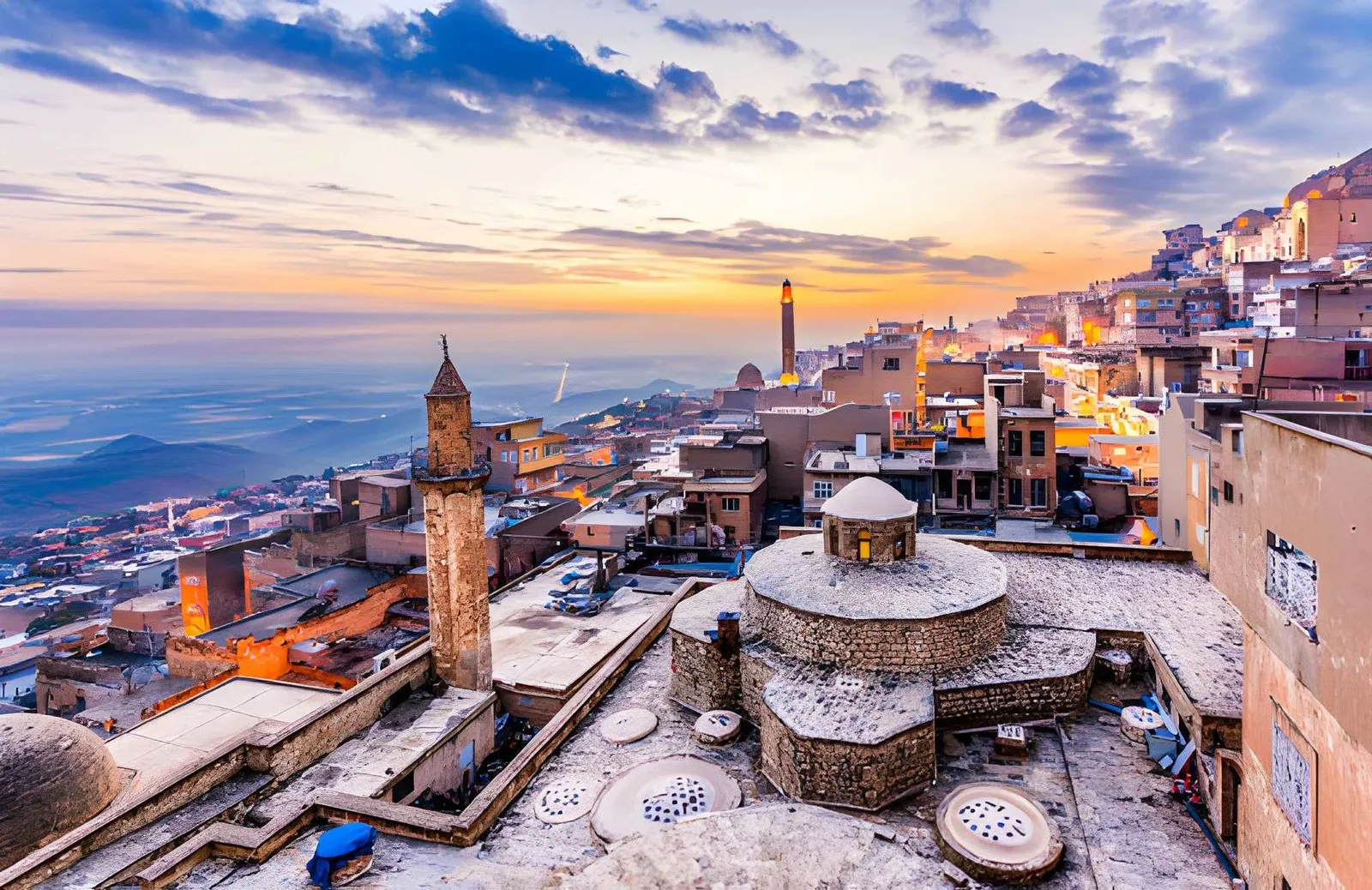
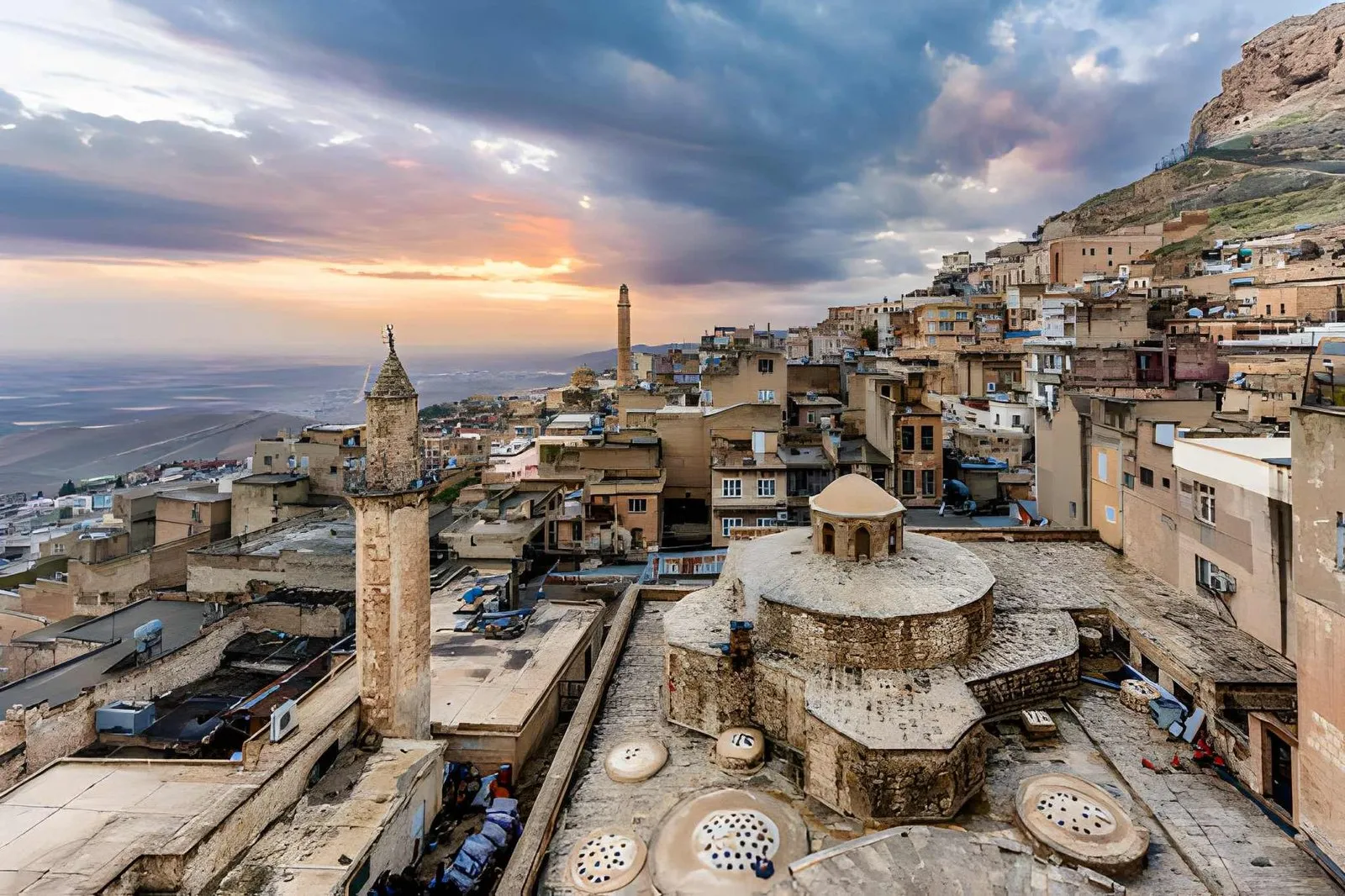
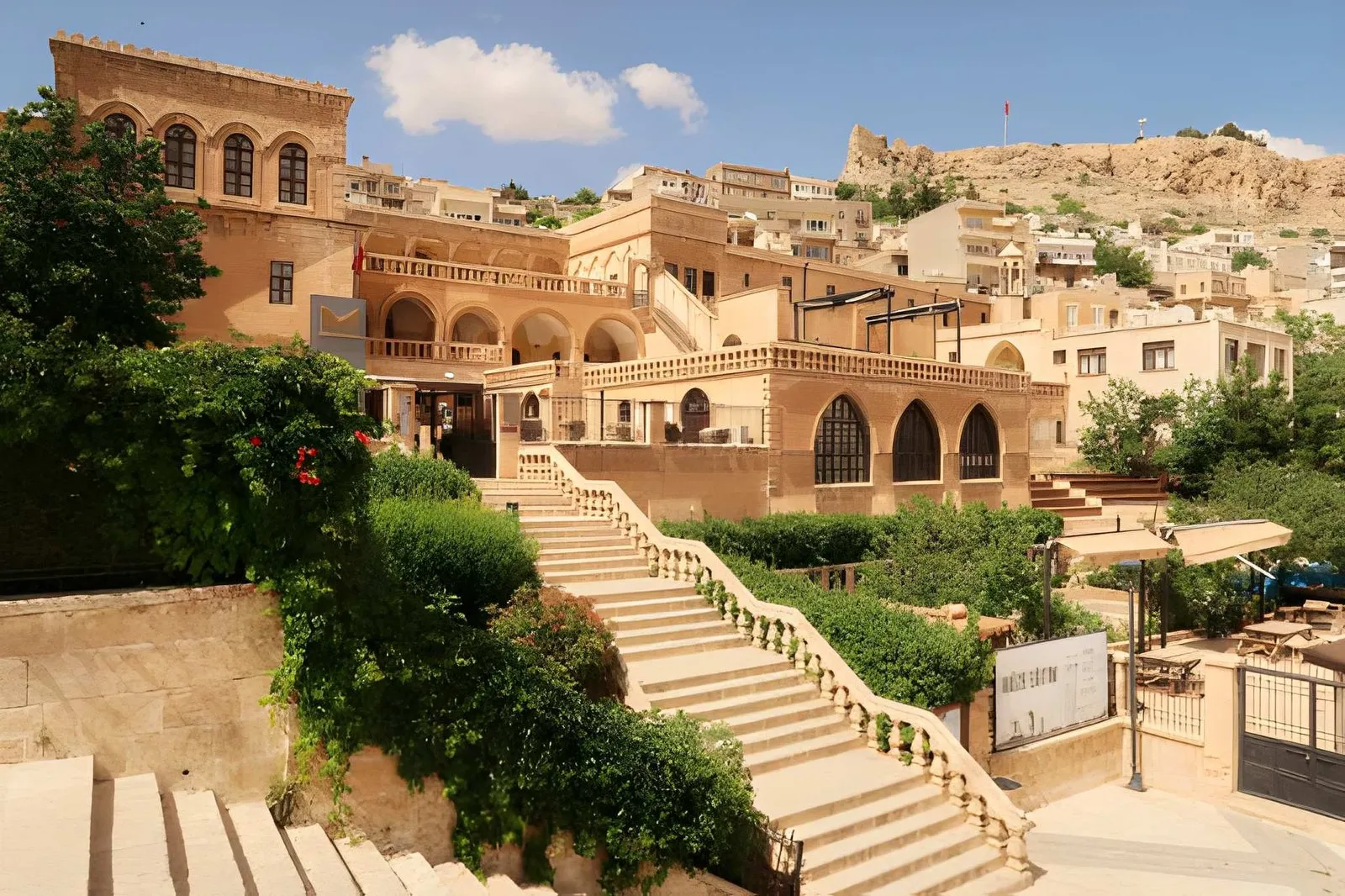
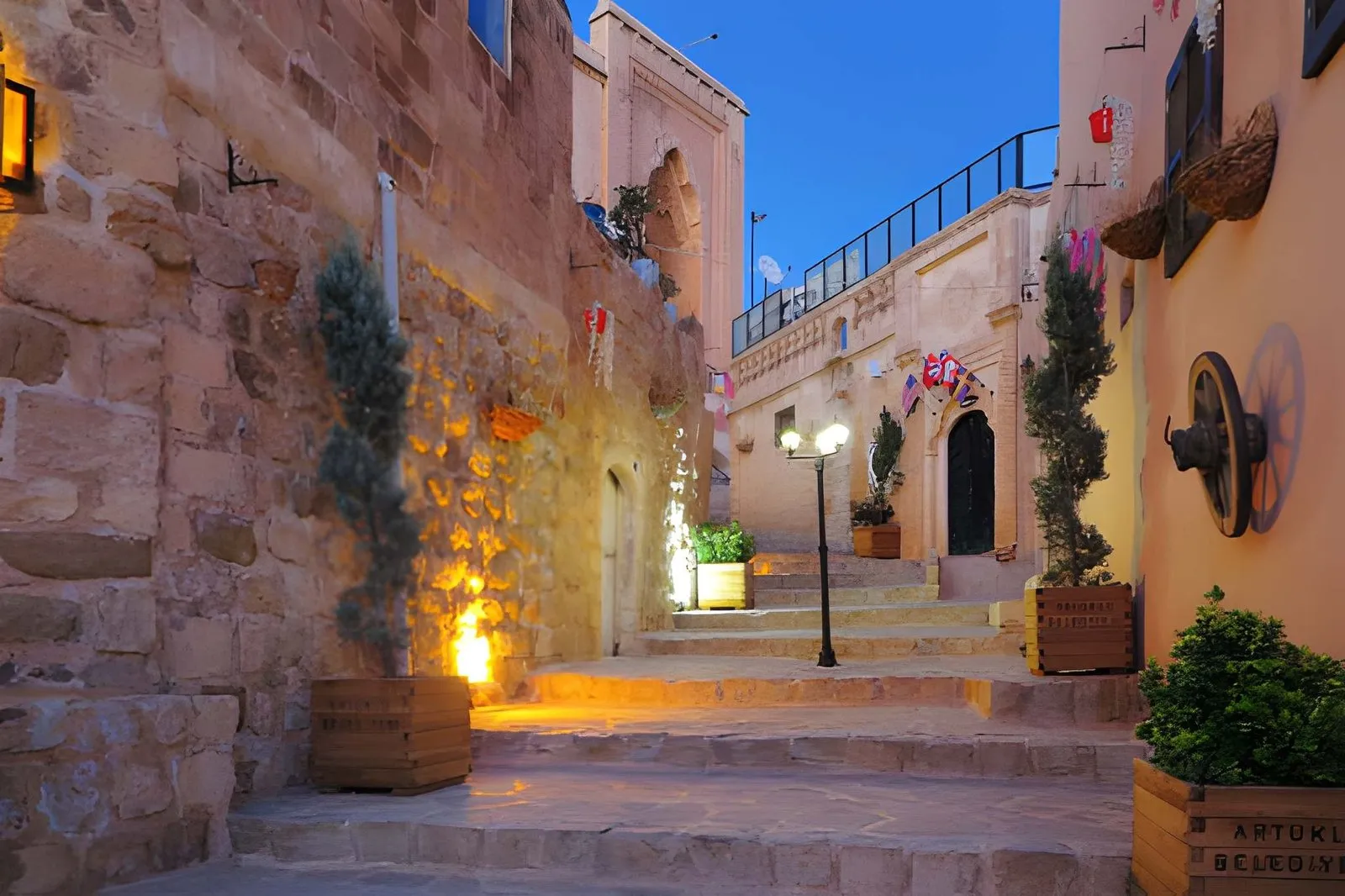
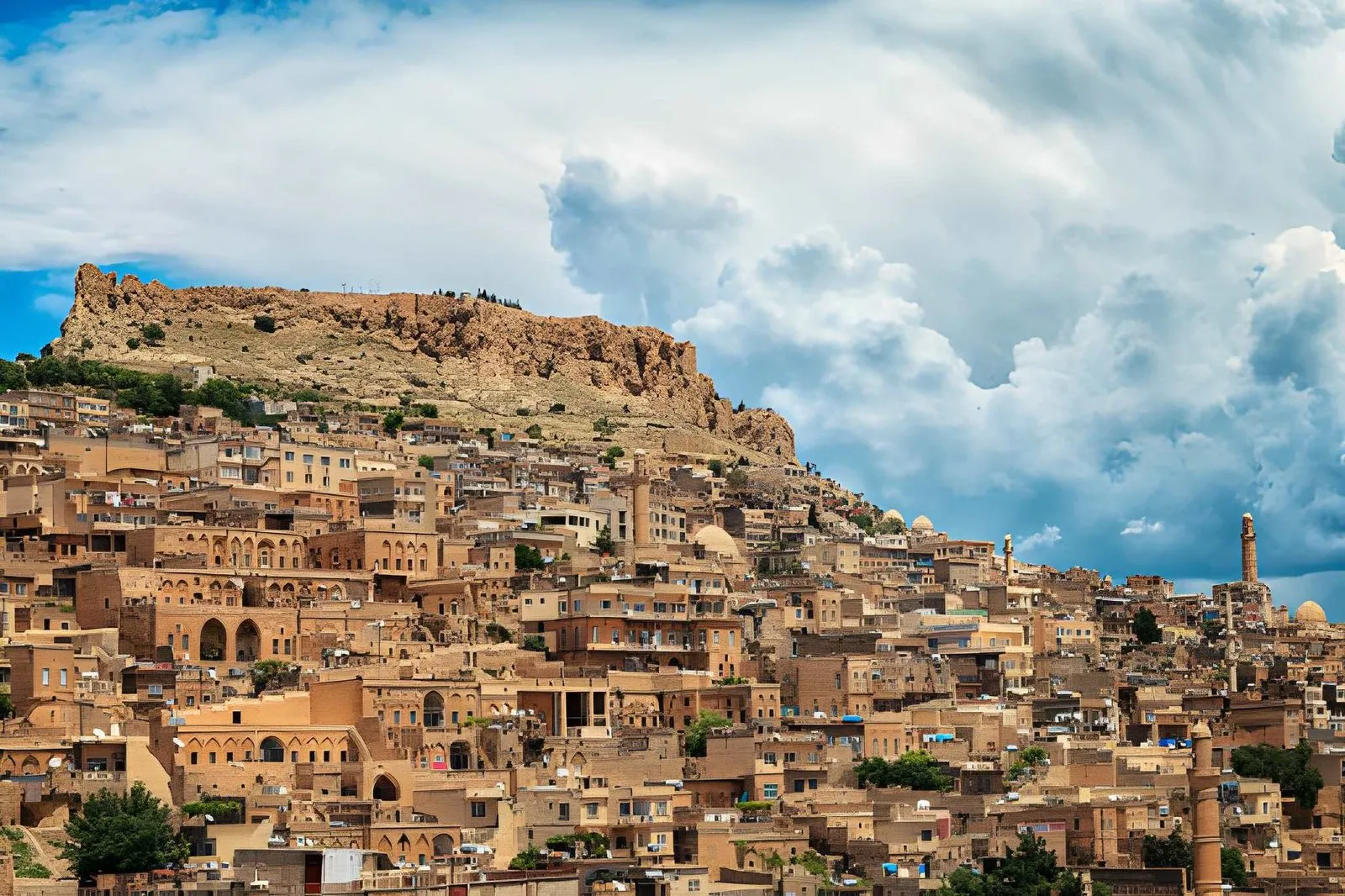
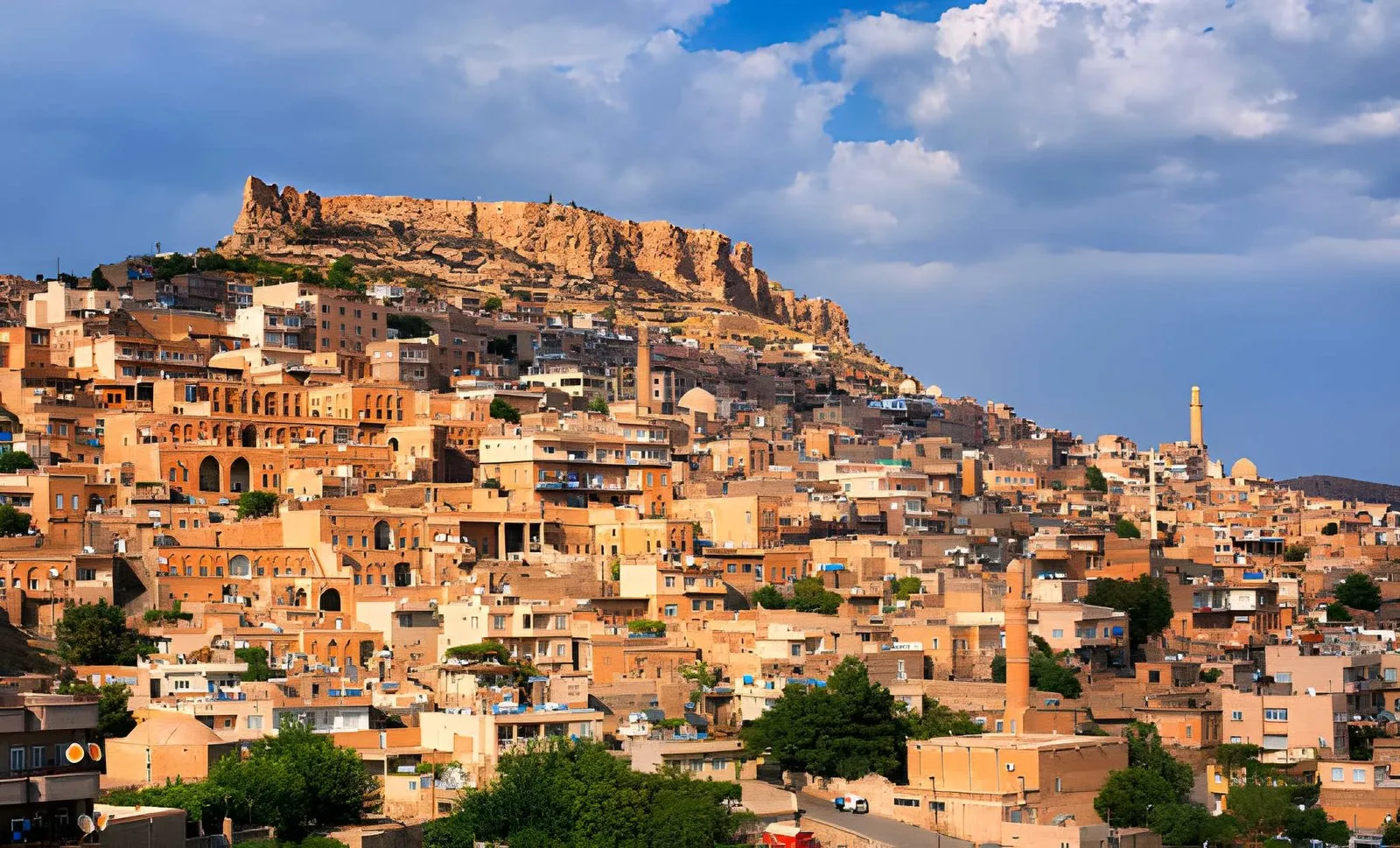
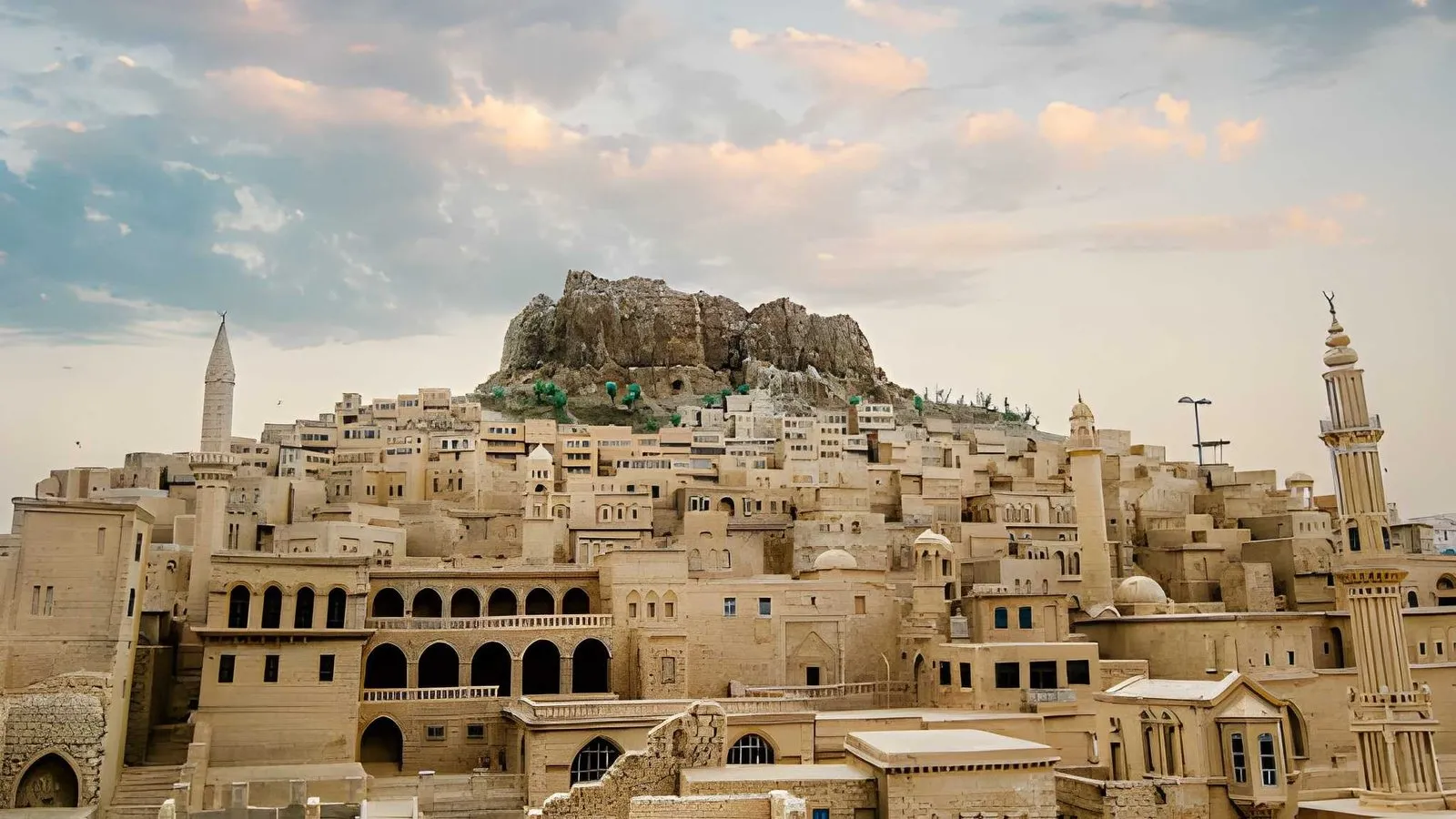
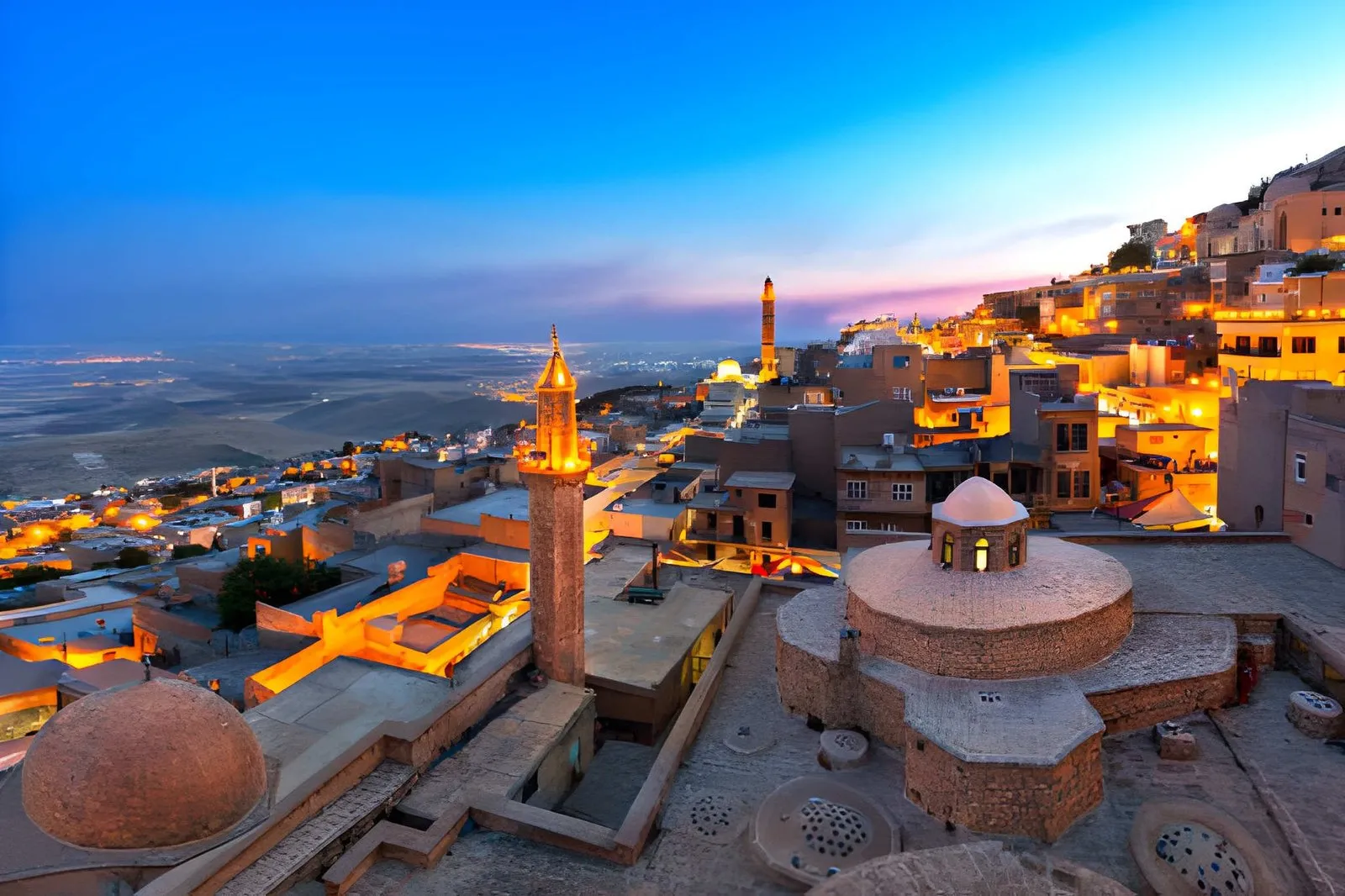
Today, Mardin is recognised as one of the country’s most remarkable historic cities. Its honey-coloured stone buildings, terraced houses, narrow streets, monumental religious structures and panoramic views over the Mesopotamian plains give the city an exceptional architectural character.
Beyond its physical beauty, Mardin is distinguished by its cultural diversity and centuries-old tradition of coexistence. The city represents a living heritage in which different religions, languages, customs and communities have left lasting traces.
With its extraordinary historical landscape and multicultural identity, Mardin continues to serve as a bridge between the past and the present, carrying the memory of ancient Mesopotamia into the modern world.