Although Diyarbakır’s recorded history was once believed to extend back to approximately 3000 BC, archaeological research conducted at Çayönü has revealed that the region’s history of settlement and civilisation reaches as far back as 7500 BC.
Located in the heart of Upper Mesopotamia, Diyarbakır has been home to numerous cultures and civilisations throughout history. The city and its surrounding region came under the rule or influence of the Hurrians, Mitanni, Hittites, Assyrians, Medes, Persians, Alexander the Great, Romans, Byzantines, Arab dynasties, Seljuks and Ottomans.
Its strategic location, fertile lands and position along important military and commercial routes made Diyarbakır one of the most significant urban centres of the region. Over thousands of years, successive civilisations contributed to the city’s cultural identity, architecture and social fabric.
The Historical Region of Diyarbakır
Historically, the name Diyarbakır did not refer solely to the present-day city centre. It was also used to describe a much broader geographical and administrative region encompassing a large part of Upper Mesopotamia.
This historical territory included not only the modern centre of Diyarbakır but also numerous settlements and regions such as Erbil, Erzen, Cizre, Hani, Silvan, Harran, Hasankeyf, the Khabur region, Ceylanpınar, Raqqa, Urfa, Siirt, Sinjar, Amedi, Mardin, Muş and Nusaybin.
As a result, Diyarbakır held importance not merely as a city but as the centre of a wide cultural, political and economic geography connecting Anatolia, Mesopotamia and the Middle East.
The Historical Names of the City
The earliest known name of the city appears as Amidi in Assyrian sources. During the Roman and Byzantine periods, variations such as Amid, O’mid, Emid and Amida were used.
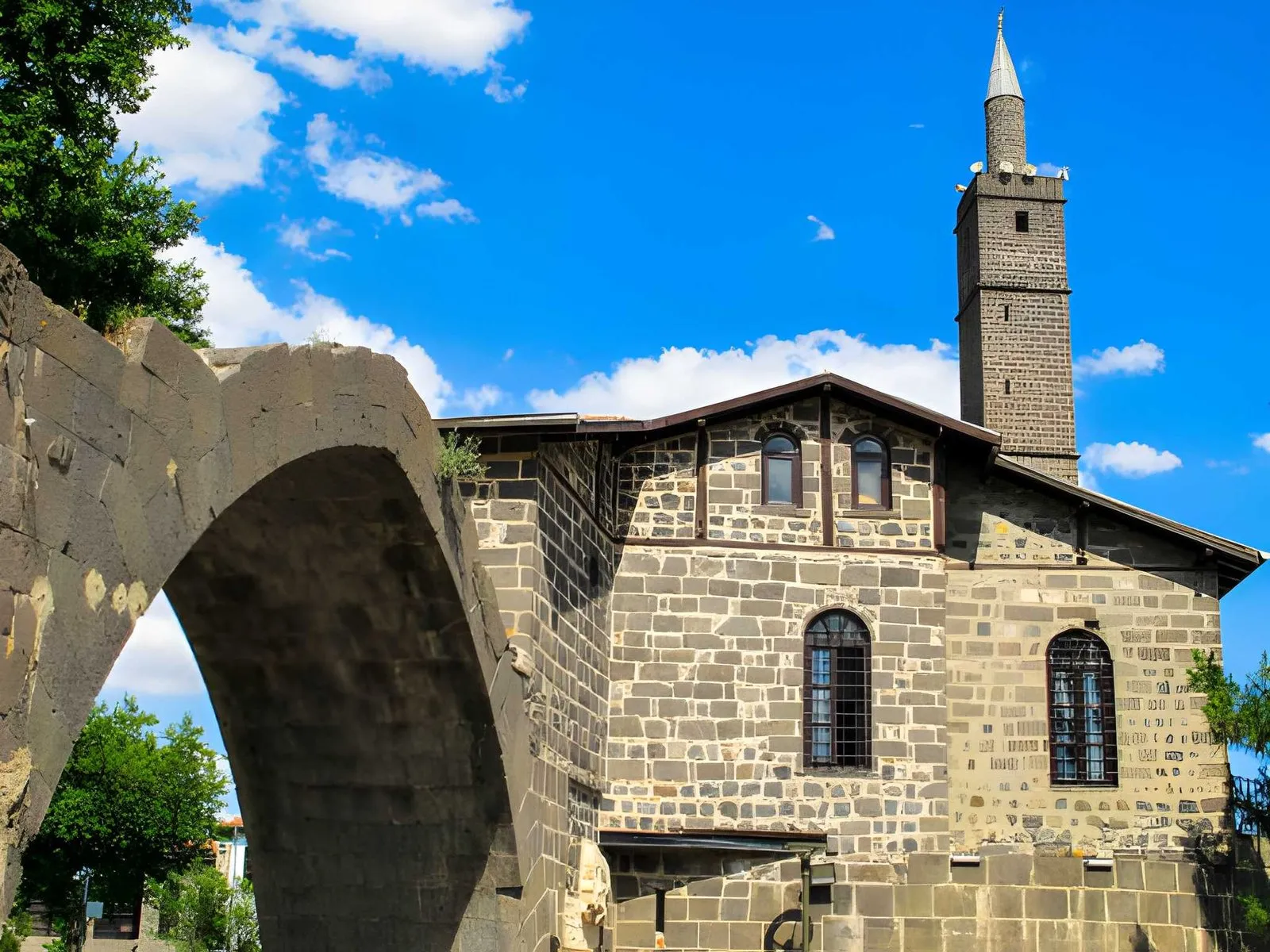
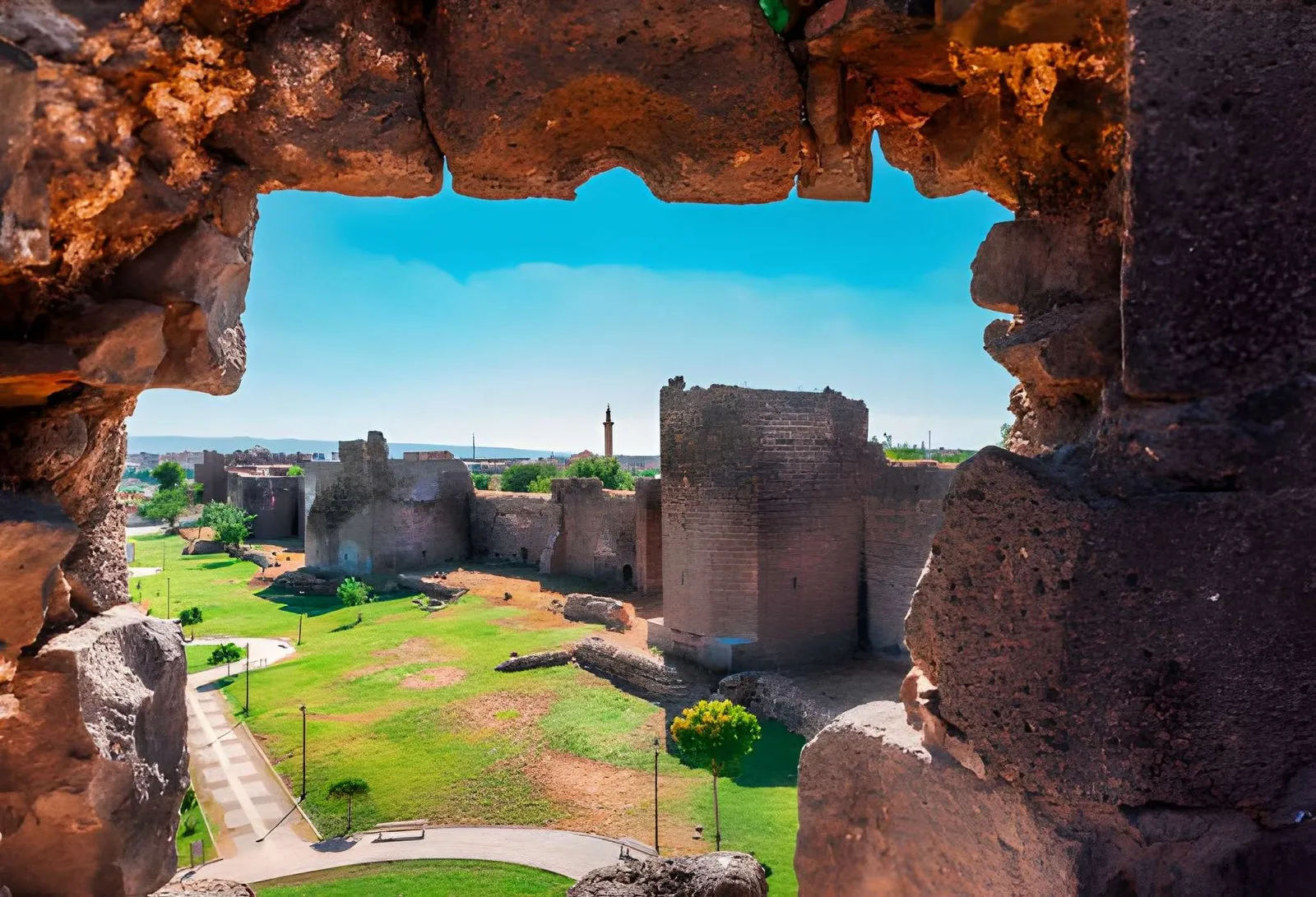
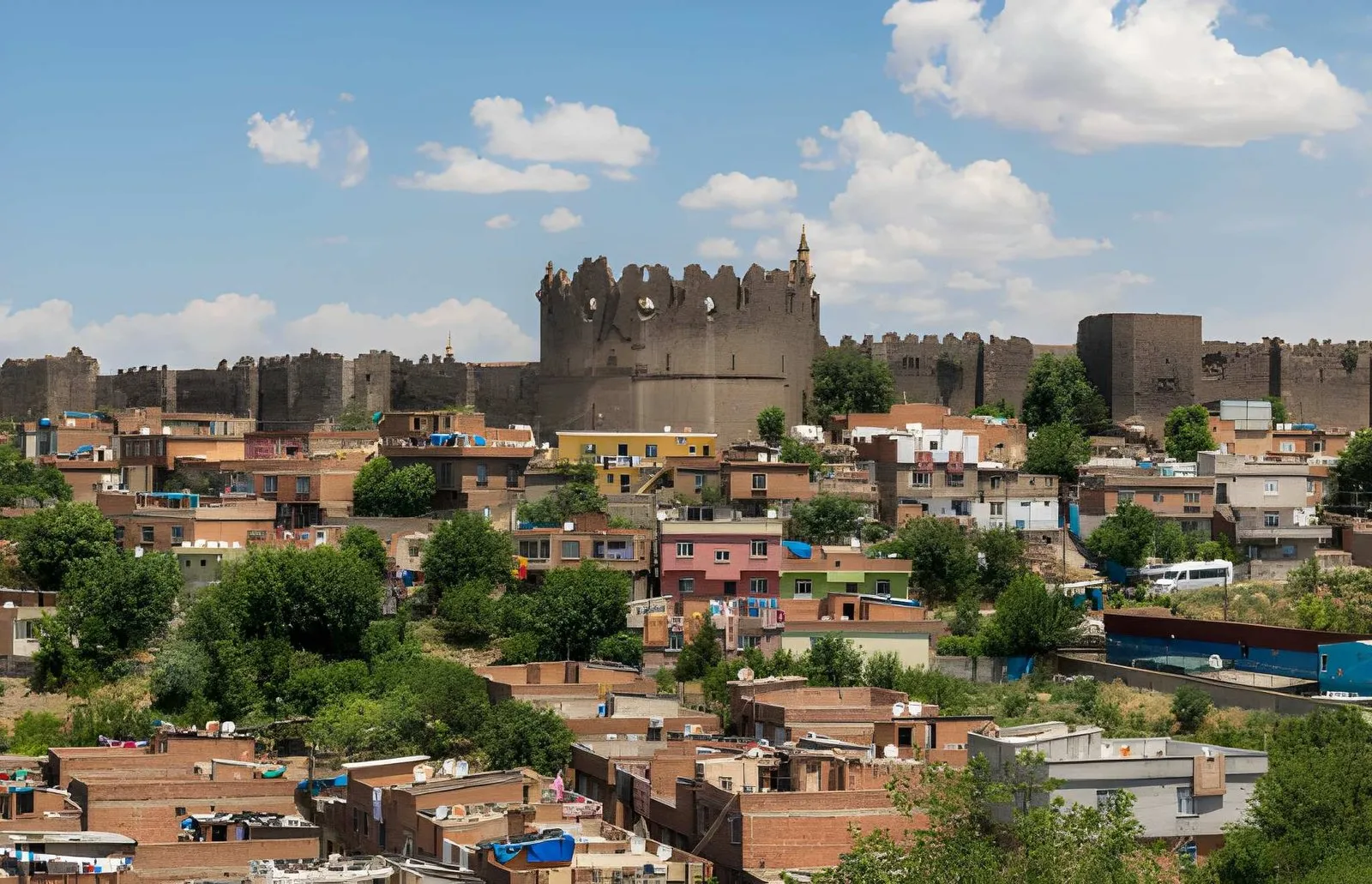
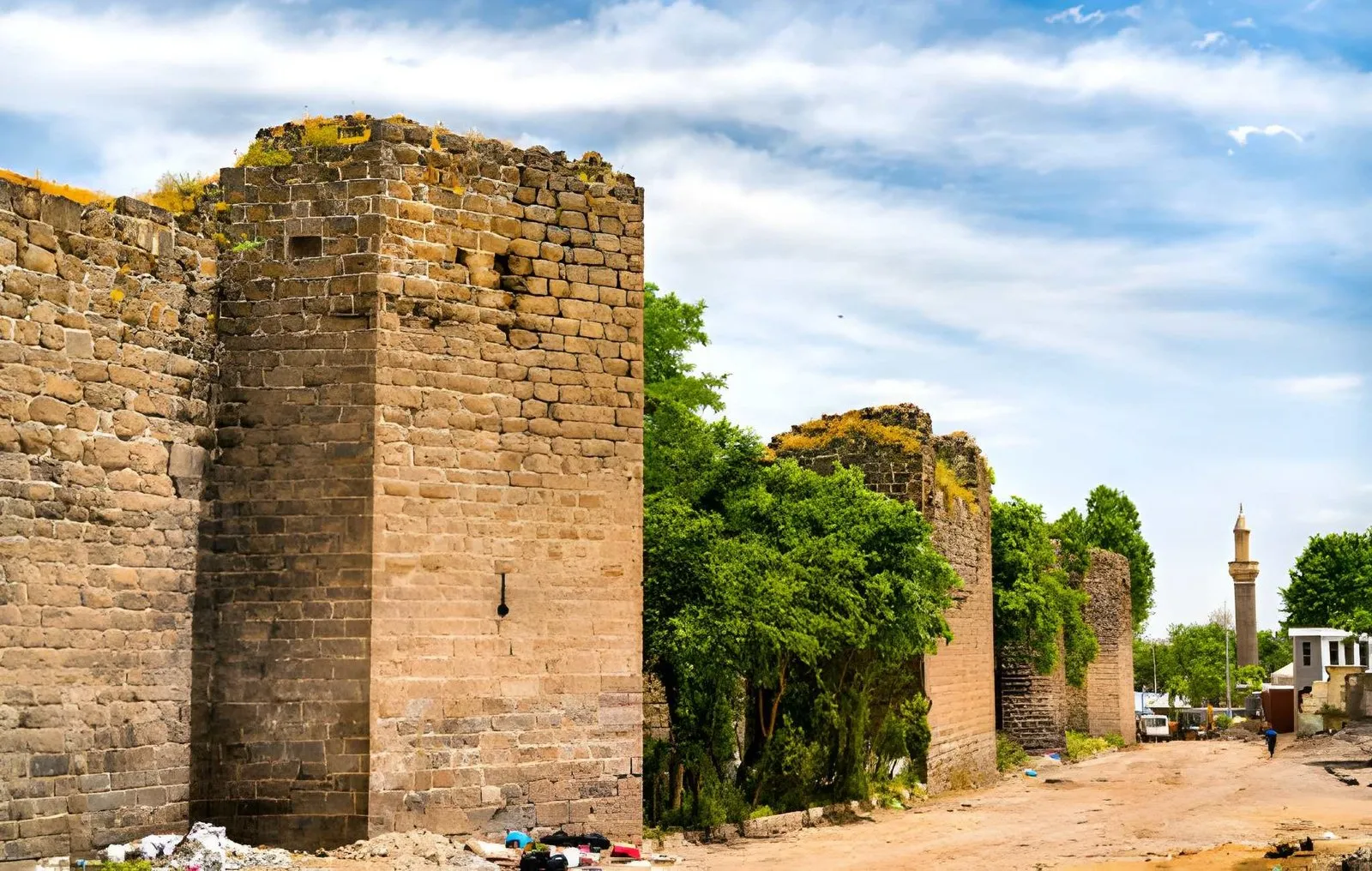
Following the arrival of Arab and Turkish communities in the region, the city became widely known as Kara Amid. The word “kara” is generally associated with the dark volcanic basalt stone that characterises the city’s monumental walls and traditional architecture.
During the period of Arab rule, the wider region was also referred to as Diyar-ı Bekr, meaning “the land of the Bakr tribe.” This name originated from the Arab Bakr tribe, which settled in the region.
Over time, the geographical name Diyar-ı Bekr became increasingly associated with the city itself. The name eventually evolved into its modern form, Diyarbakır, which was officially adopted by the Republic of Türkiye on 10 December 1937.
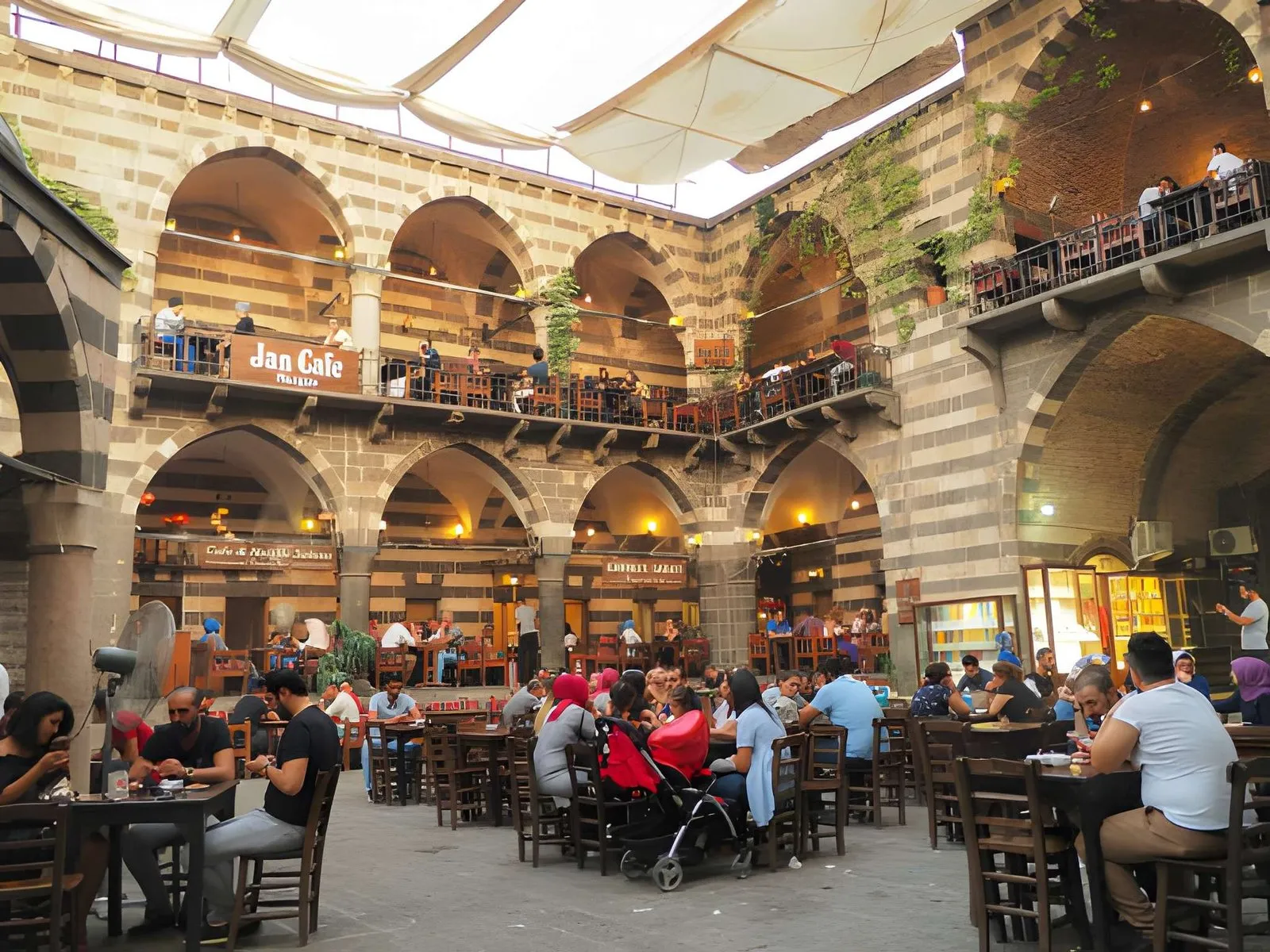
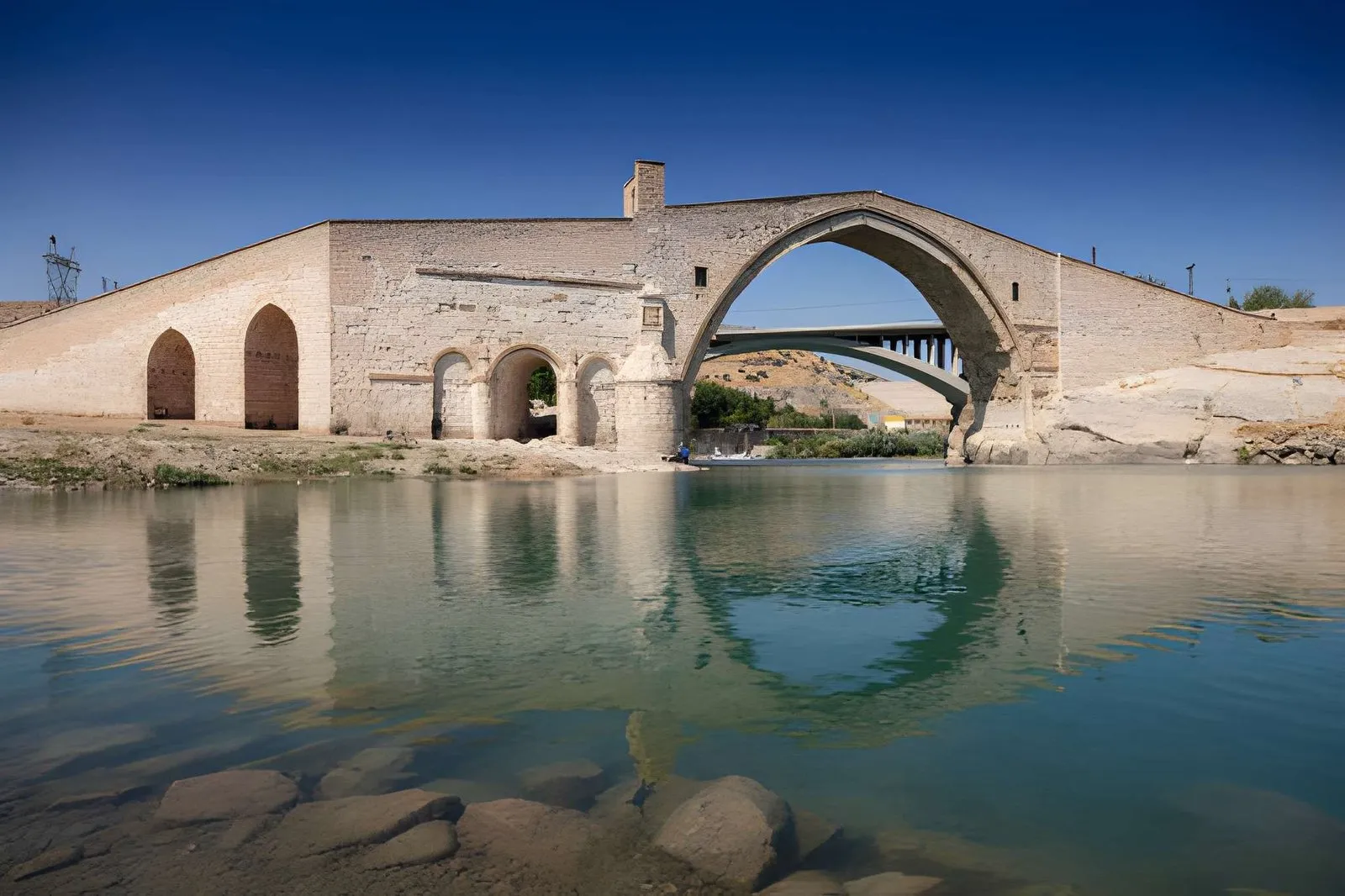
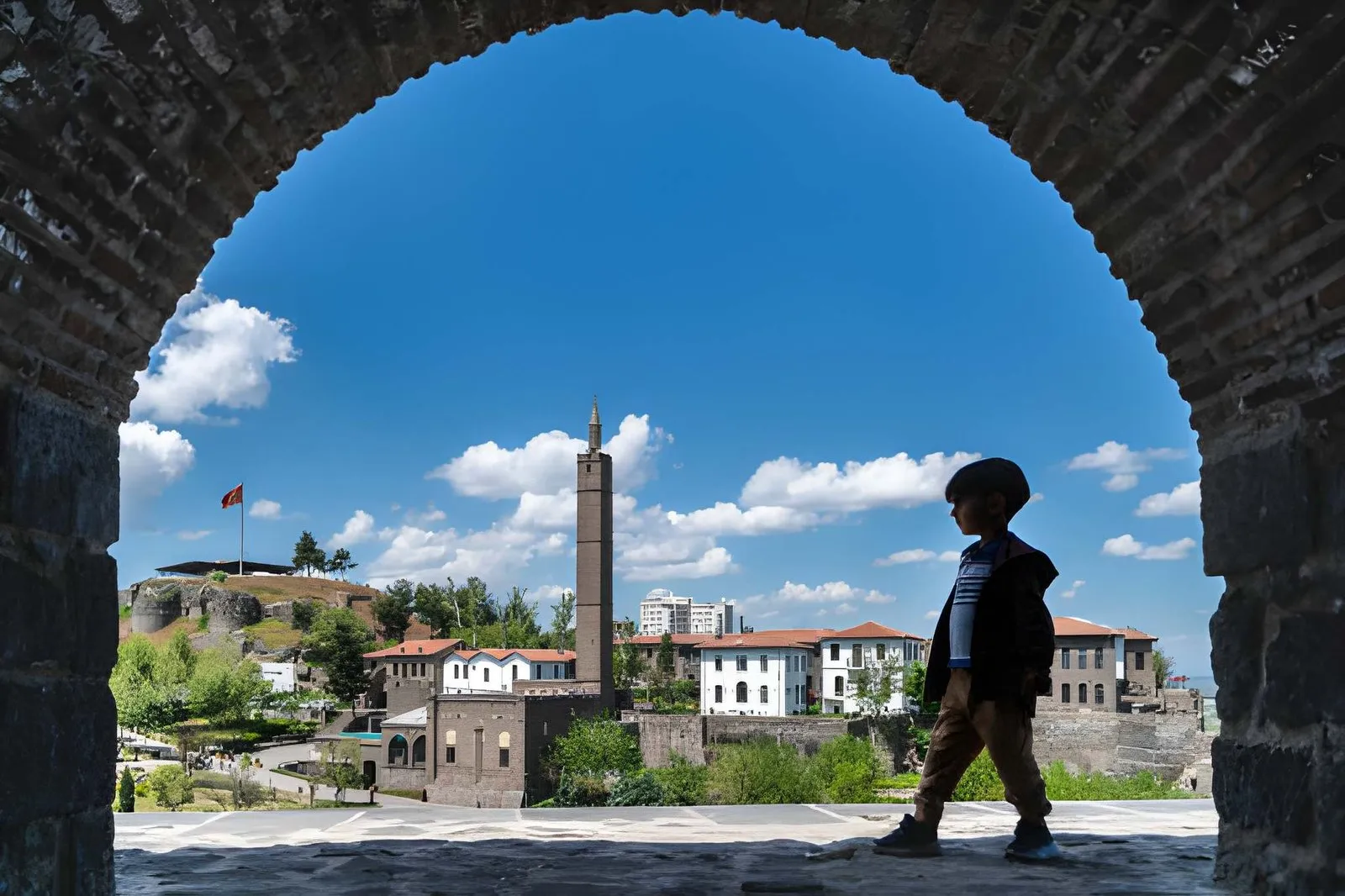
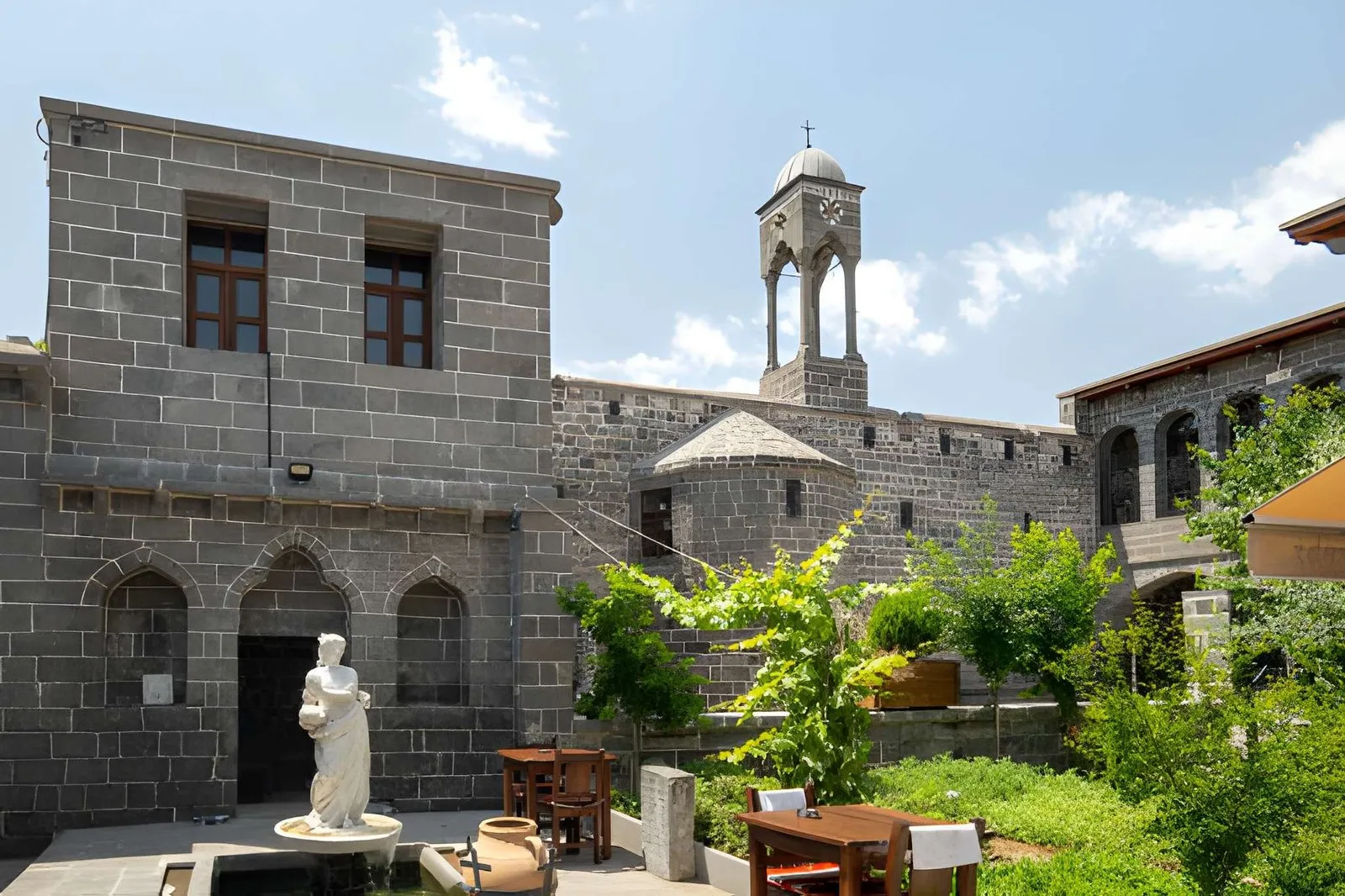
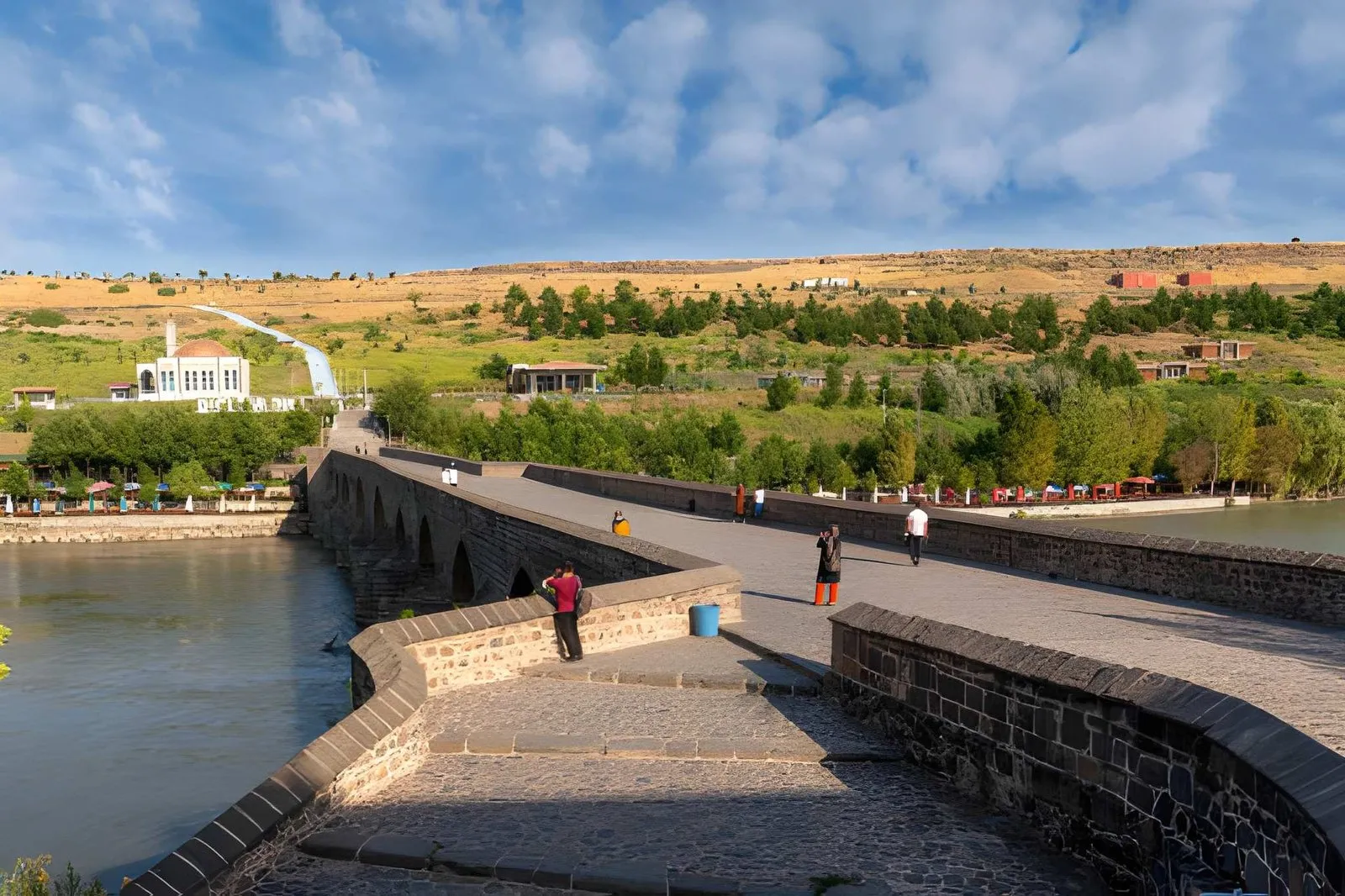
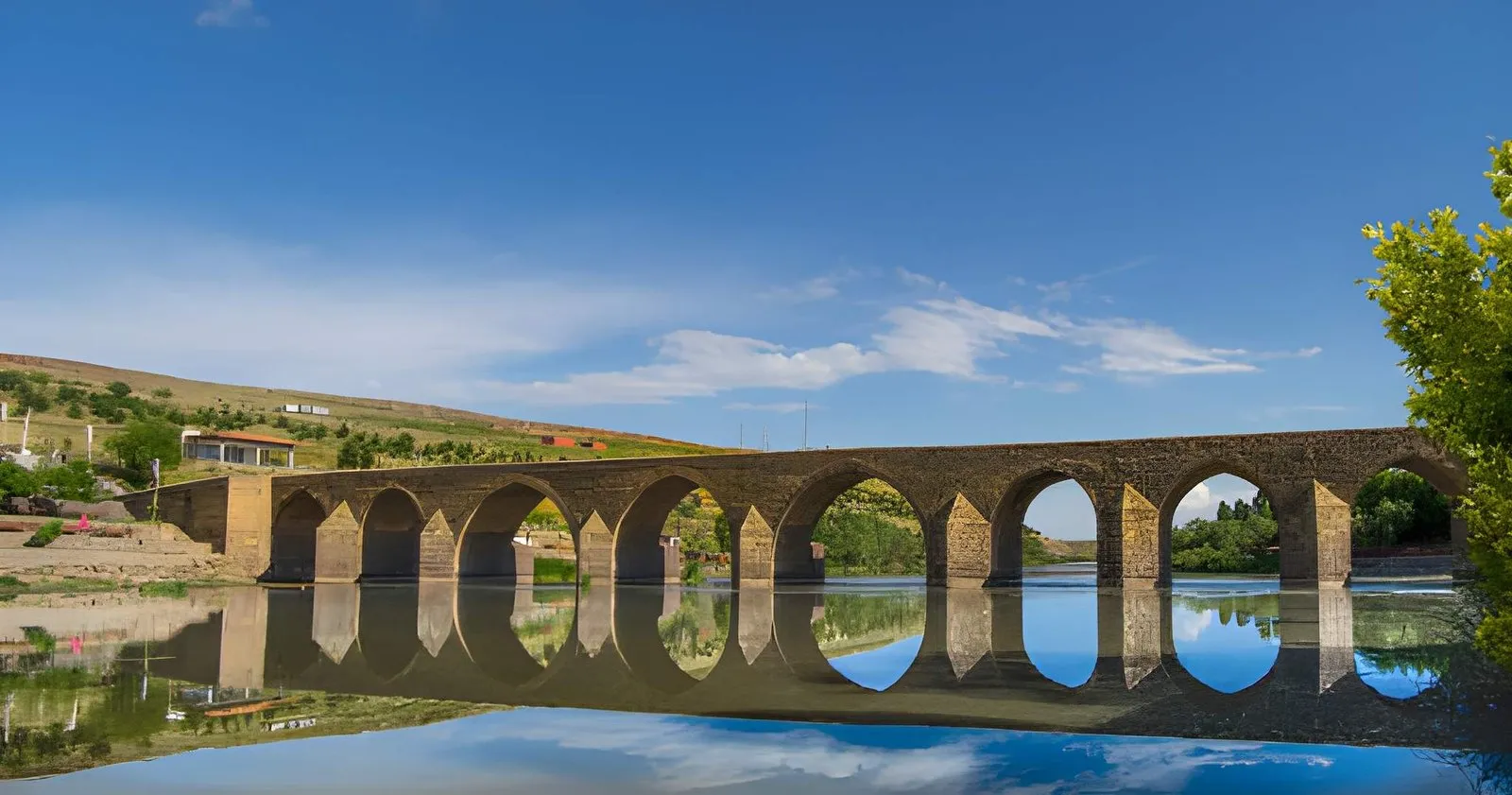
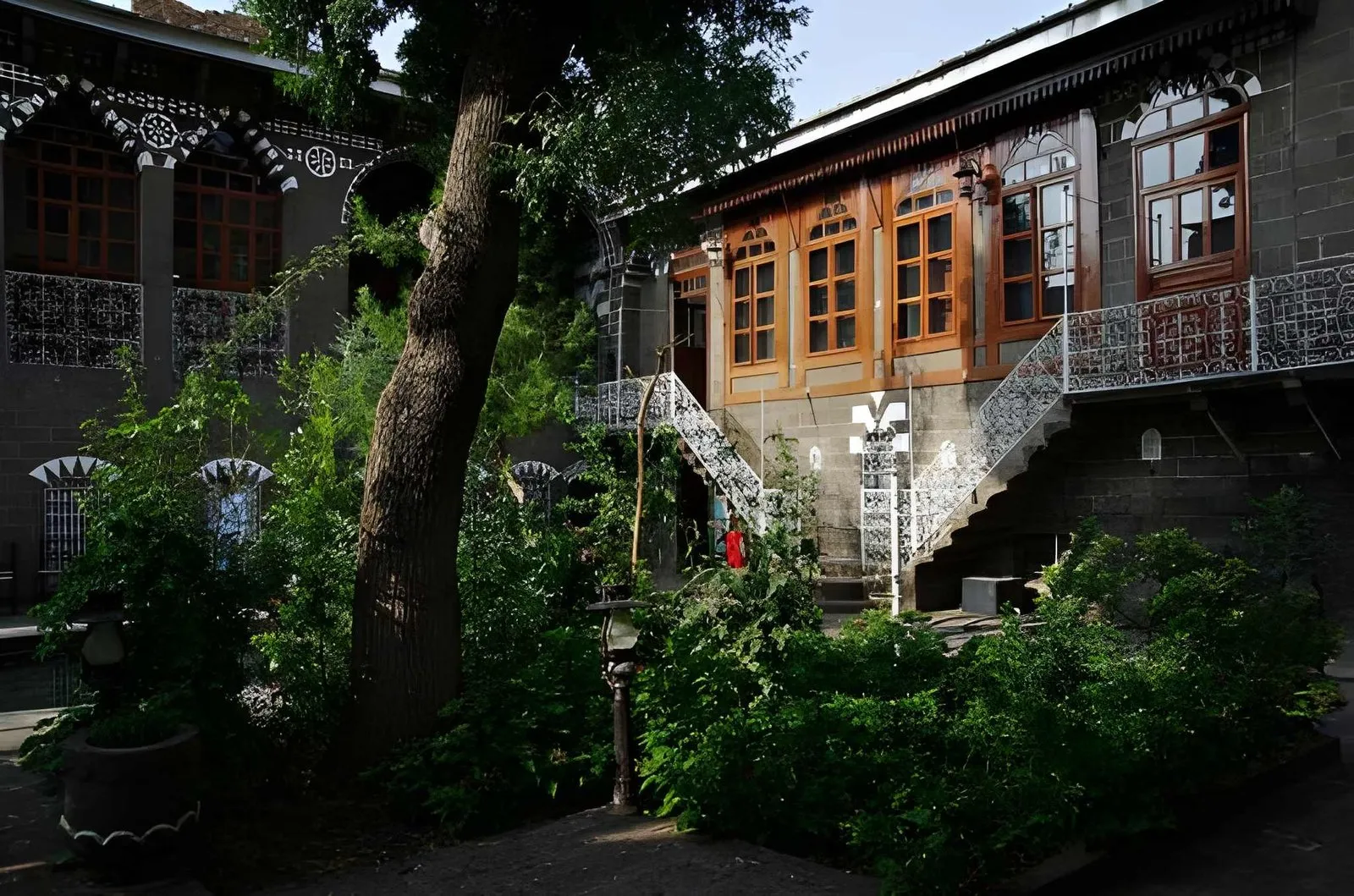
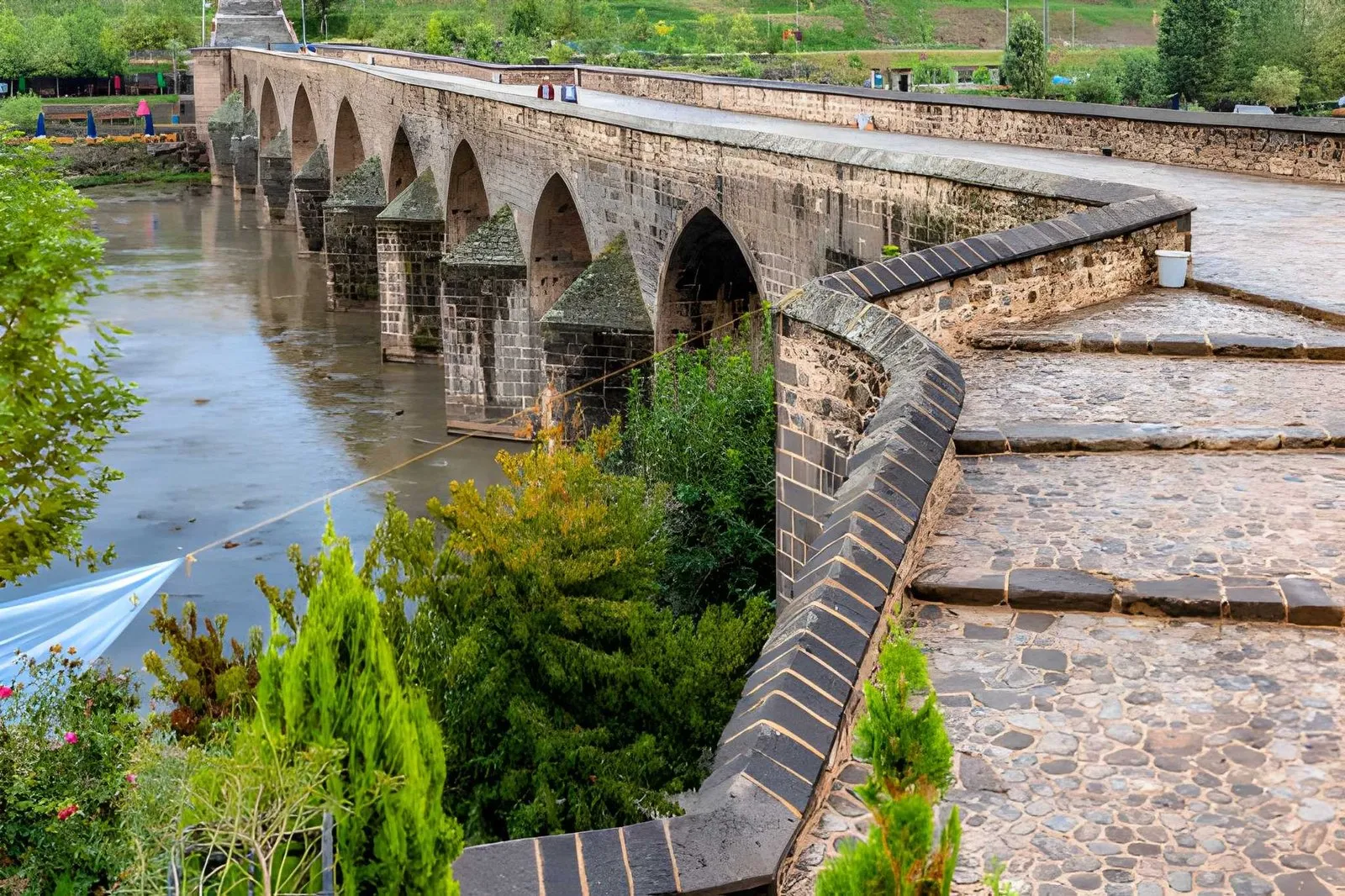
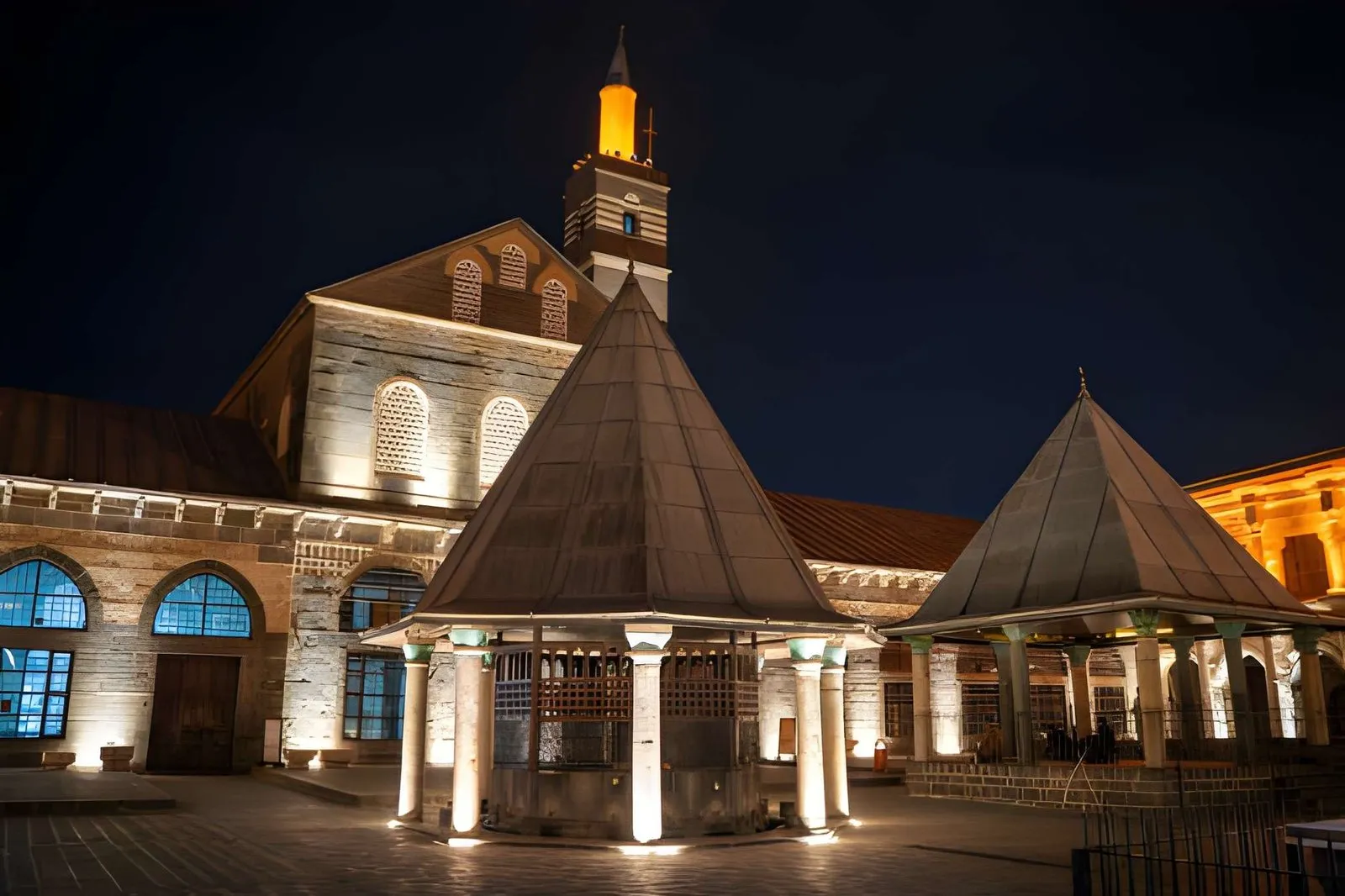
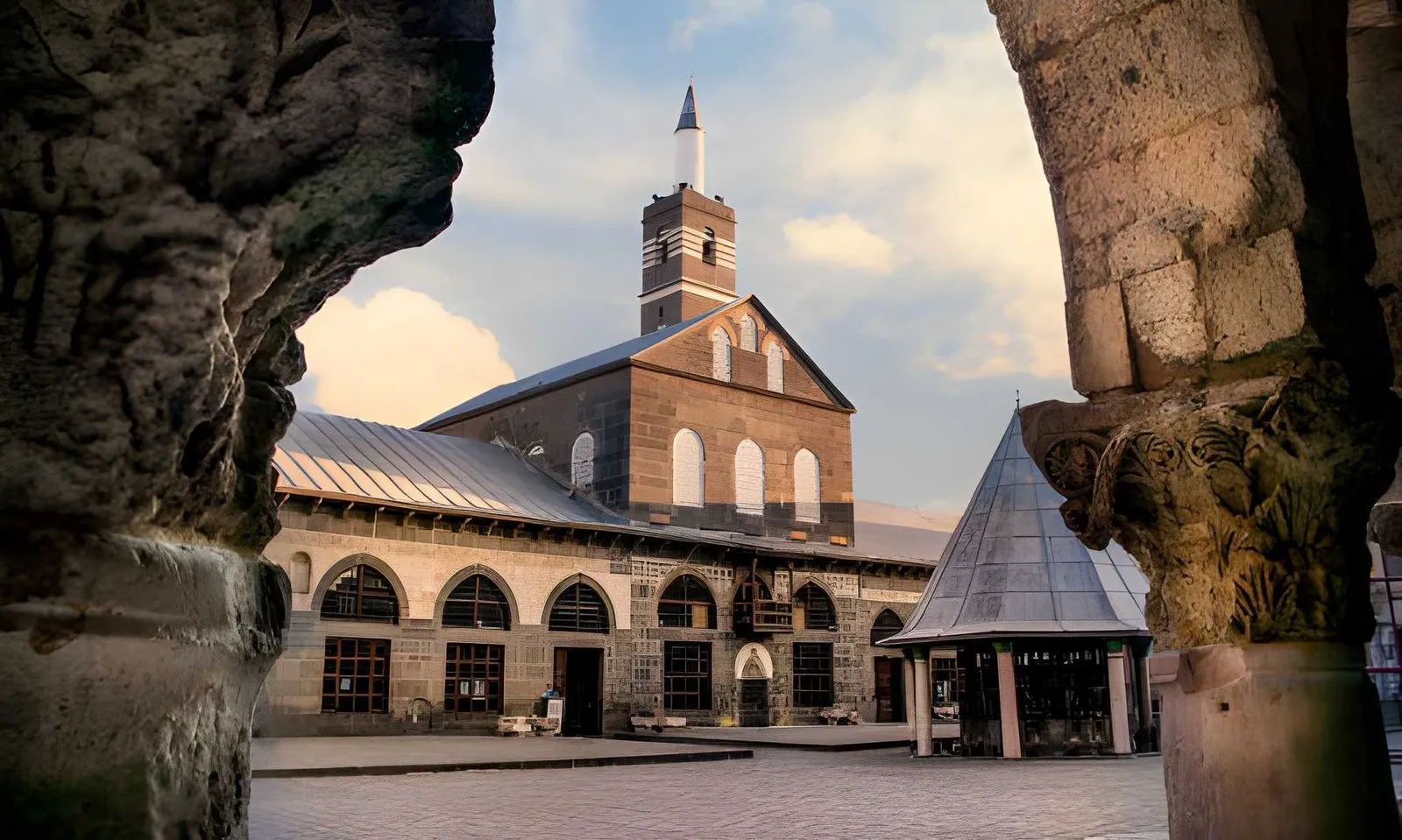
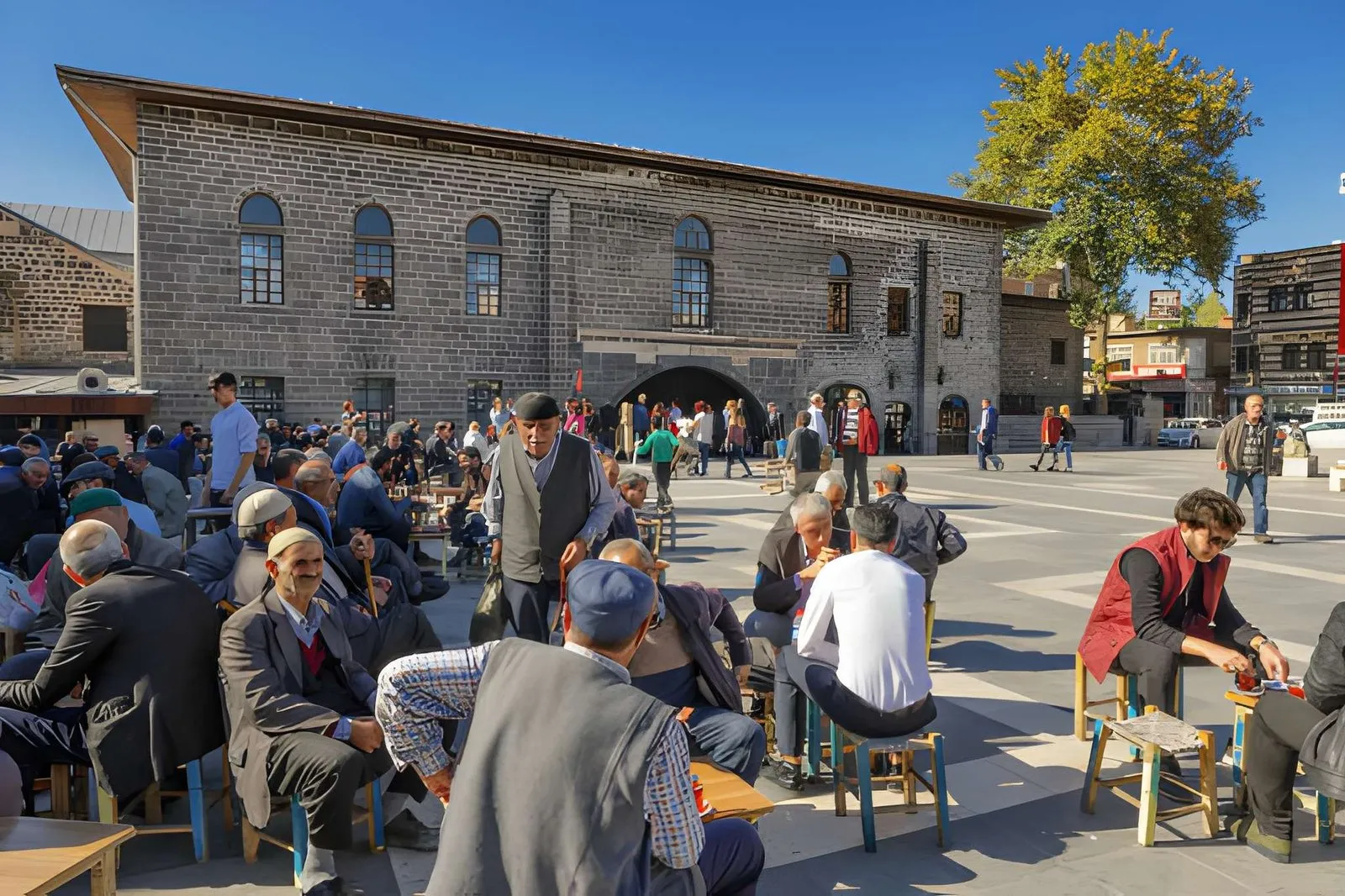
Today, Diyarbakır stands as one of the most important historical and cultural centres of Türkiye. Its monumental city walls, ancient settlements, religious structures and multicultural heritage continue to reflect the traces of the many civilisations that shaped the city over thousands of years.